A Chemical Free Hair Care Routine
A calm, step by step hair routine without harsh additives: wash rhythm by hair type, wash day steps, the transition period and quick fixes.

Key takeaways
- Wash frequency shapes everything else; many people can wash a little less.
- Cleanse the scalp, condition the ends, and rinse longer than feels necessary.
- Expect two to four weeks of adjustment when leaving silicones and harsh sulfates behind.
- Most gentle routines need only a cleanser, an oil and one styling product.
A chemical free hair care routine is less about finding a miracle product and more about doing a few simple things in the right order, with gentler ingredients. Most people who switch are trying to cut out harsh sulfates, heavy silicones, synthetic fragrance and petroleum based styling products, and then find that their hair needs a slightly different rhythm. This guide walks through that rhythm: how often to wash, what each step does, and how to adjust when something feels off.
A quick note on wording. Everything is made of chemicals, water included. In the world of chemical free beauty, the phrase is shorthand for leaving out harsh synthetic additives, not for avoiding chemistry altogether.
Start with how often you really need to wash
Wash frequency drives almost every other choice. Many people wash daily out of habit, then use heavy conditioners and serums to repair the dryness that daily stripping causes. A calmer routine usually means washing a bit less and conditioning a bit less too.
| Hair type | Typical wash rhythm | What to watch |
|---|---|---|
| Fine, straight, or oily scalp | Every day to every other day | Flat roots; keep oils to the ends only |
| Medium thickness, wavy | Every 2 to 3 days | Frizz at the ends, oil at the crown |
| Thick, curly or coily | Every 4 to 7 days | Dryness and tangles; scalp still needs cleansing |
| Color treated | As seldom as is comfortable | Fading from frequent washing and hot water |
These are starting points, not rules. Activity, climate and your scalp matter more than any chart. If your scalp itches or smells stale, wash more often. If your ends feel like straw, wash less often or with a milder cleanser.
The wash day, step by step
1. Optional pre-wash oil
If your lengths run dry, smooth a small amount of plant oil over the mid lengths and ends 20 to 60 minutes before washing. This gives the hair a little cushion so shampoo does not leave it as rough. Skip the scalp if you tend to flake or get oily quickly. Our guide to natural hair oils by hair type explains which oils feel light and which feel rich.
2. Wet thoroughly, then cleanse the scalp
Soak your hair for a full minute before any product goes on. Water does a large share of the cleaning and helps a gentle cleanser spread. Focus shampoo on the scalp, where oil and sweat collect, and let the suds rinse through the lengths on their way out. If you use a bar, glide it over the scalp a few times, set it down, and work up lather with your fingertips. Our sulfate free shampoo guide covers why the lather looks different and why that is fine.
3. Rinse longer than you think
Leftover cleanser is one of the most common reasons hair feels heavy or waxy after a switch. Rinse until your hair squeaks slightly between your fingers at the scalp. Lukewarm water is kinder to color and to a dry scalp than very hot water.
4. Condition the lengths, not the roots
Conditioner belongs on the parts of your hair that are oldest and most weathered: the ends. Comb it through with your fingers or a wide tooth comb, leave it a few minutes, then rinse. A combined shampoo and conditioner bar can cover both jobs for many hair types, especially fine to medium hair.
5. Dry gently
Wet hair stretches and snaps more easily than dry hair. Press water out with a soft towel or old cotton T-shirt instead of rubbing. If you blow dry, use a lower heat setting and keep the dryer moving.
6. Finish and style lightly
A few drops of oil on the ends, or a small amount of balm or pomade for shape, is usually enough. If you have relied on silicone serums, read silicone free hair care before your first week without them, and see styling without petroleum for hold and shine options.
Between wash days
- Brush with intention. A boar bristle or soft brush moves natural scalp oil down the lengths. Curly hair usually does better with fingers or a wide tooth comb when damp.
- Refresh, do not rewash. A light mist of water and a dab of oil on the ends can revive waves and curls the second day.
- Protect at night. A loose braid, a silk or satin pillowcase, or a soft scrunchie can reduce friction and tangles.
- Cover up in strong sun. A hat protects both your scalp and your color.
Weekly and monthly care
Once a week, give your scalp a little more attention: a slow fingertip massage while shampooing, and a check for flakes, tenderness or buildup along the hairline. Our page on natural scalp care goes deeper on what a healthy looking scalp needs.
Once a month or so, notice whether your hair feels coated or limp. Hard water minerals and leftover styling products can build up even in a gentle routine. A thorough double wash usually sorts this out. Some people with very hard water like a diluted apple cider vinegar rinse now and then; keep it weak, keep it off broken skin, and rinse well.
The transition: what to expect in the first weeks
When people move from conventional shampoo and silicone conditioner to gentler products, the first two to four weeks can feel odd. Hair may seem heavier, drier, or greasier at the roots while old coatings wear off and your wash rhythm settles. This is common, though not universal, and it does not mean the new routine is failing. Keep a short log of what you used and how your hair felt the next day. Patterns show up quickly.
If after a month your hair still feels coated, look at rinse time and water hardness first. If it feels dry, look at wash frequency and water temperature. If your scalp becomes red, very itchy or sore, stop the new product and talk with a dermatologist.
Troubleshooting at a glance
| What you notice | Likely cause | Try this |
|---|---|---|
| Waxy, tacky lengths | Incomplete rinse or hard water | Rinse longer; wet hair more before cleansing |
| Flat, greasy roots | Oil or conditioner too close to the scalp | Keep conditioner and oil below the ears |
| Frizz and static | Dry ends, rough towel drying | Pre-wash oil; blot instead of rubbing |
| Tight, itchy scalp | Hot water, overwashing, or a new ingredient | Cooler water; space out washes; patch test |
Keeping the shelf short
A gentle routine does not need a long product list. For many people it comes down to one cleanser, one oil, and one styling product. Our Shampoo and Conditioner Bar and Hair Oil were made to cover most of that ground. If you want the bigger picture on why we leave certain ingredients out, the main site's guide to non toxic hair care explains it, and clean beauty on a budget shows how a simpler shelf can also cost less.
At Lucky Lady Ranch we think hair care should feel unhurried. Wash when you need to, rinse well, condition where it counts, and let your hair settle into a pace that suits it.
From the ranch
Made in small batches, without the ingredients discussed above.
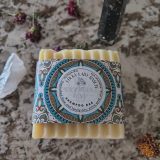 Shampoo and Conditioner BarPlastic free hair care with argan, castor and black seed oil.
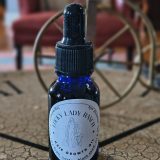 Hair OilSacha inchi, black seed, rice bran, argan and castor for hair and scalp.
Questions people ask
How long does it take hair to adjust to natural shampoo?
Many people notice their hair settling within two to four weeks, as old silicone coatings wear off and their wash rhythm adjusts. Some never notice a transition at all. Hard water and short rinses can make the change feel harder than it is.
Do I need a separate conditioner with a shampoo bar?
Not always. Fine and medium hair often does well with a combined shampoo and conditioner bar. Very long, thick, curly or bleached hair may like an extra bit of oil or a leave-in on the ends.
Is it bad to wash your hair every day?
Not necessarily. Fine hair and oily scalps often feel best with daily washing. The key is using a mild cleanser and keeping heavy products off the roots so daily washing does not leave you dry.
Why does my hair feel waxy after switching to a natural shampoo?
The usual causes are incomplete rinsing and hard water minerals reacting with the cleanser. Wet your hair more thoroughly, rinse longer, and consider an occasional diluted vinegar rinse if your water is hard.
Sources and further reading
- American Academy of Dermatology (AAD), Tips for healthy hair
- American Academy of Dermatology (AAD), How to stop damaging your hair
- Gavazzoni Dias MF, Hair cosmetics: an overview, International Journal of Trichology (2015)
- US Food and Drug Administration (FDA), Hair Products
This guide is for general education and is not medical advice. If you have a skin condition, allergy, or are pregnant or nursing, talk with your doctor or a board certified dermatologist about the products that are right for you.