Clean Beauty on a Budget
How to switch to gentler products without overspending: prioritize leave-on swaps, compare cost per use, choose multi use basics and make them last.

Key takeaways
- Replace products as they run out instead of starting over all at once.
- Prioritize leave-on products first; rinse-off products can wait.
- Compare cost per use; concentrated bars and oils often win.
- Keep DIY water free and simple, and never skimp on sun protection.
Clean beauty on a budget is not only possible, it often costs less than a conventional routine. The expensive part of beauty is usually the number of products, not the quality of each one. Once you strip a routine down to what actually does something, the money freed up can go to a few well made basics. This guide shows how to make chemical free beauty swaps without replacing everything at once, and how to judge value instead of price.
Start with what you already own
Throwing out a full cabinet and starting over is the most expensive way to switch. Instead:
- Gather everything. Face, hair, body, makeup, nails. Put it on one table.
- Toss what is expired or off. Changed smell, separated texture, or mascara older than a few months. Our guide to makeup shelf life has timelines.
- Note duplicates. Three half used moisturizers? Finish them before buying another.
- Read labels as you go. Mark anything with ingredients you would rather avoid. Those are your first replacements, as they run out.
This "replace as you run out" approach spreads cost over months, and it also teaches you which products you actually reach for.
Spend where it matters, save where it does not
Not every product deserves the same scrutiny. Leave-on products stay on your skin for hours; rinse-off products are on for a minute or two. If your budget is tight, prioritize the swaps that touch your skin the longest.
| Priority | Product type | Why |
|---|---|---|
| First | Moisturizers, facial oils, body lotion, lip balm, deodorant, sun protection | Leave-on, used daily, often on large areas or the lips |
| Second | Foundation, concealer, lip color, mascara | Leave-on, but small amounts |
| Third | Shampoo, body wash, face cleanser | Rinse-off; brief contact, though harsh cleansers can still dry skin |
| Optional | Toners, mists, masks, specialty serums | Nice to have, rarely essential |
The ten easy clean skincare swaps on this site are a good shopping list to work through in this order.
Think in cost per use
A low sticker price can hide poor value, and a higher one can hide good value. Divide the price by the number of uses you get. Here is a worked example with round numbers, just to show the math: a $12 bar that lasts 80 washes costs 15 cents a wash, while a $7 bottle that lasts 35 washes costs 20 cents a wash. The cheaper bottle is the pricier choice. Concentrated products, such as solid bars and pure oils, often win this comparison because you are not paying for water.
Let products do double duty
- A good body balm can soften elbows, heels, cuticles and the ends of dry hair.
- A plant facial oil can moisturize the face, smooth flyaways, and remove makeup in a pinch. See how to choose a facial oil.
- A combined shampoo and conditioner bar replaces two bottles for many hair types.
- A gentle soap bar handles hands and body without separate washes for each.
- A tinted balm can work on lips and cheeks.
A shorter routine is also often calmer for skin, which is the idea behind minimalist skincare.
Where to be careful with saving
Kitchen DIY
Plain plant oils from the kitchen, like sunflower or olive, can be used on skin by many people. But some popular DIY ingredients are harsh: lemon juice, baking soda, cinnamon, undiluted vinegar and undiluted essential oils can all irritate or burn. Homemade products that contain water, such as lotions and sprays, can grow bacteria and mold within days without a proper preservative. Keep DIY simple and anhydrous (water free), make small batches, and patch test.
Cheap "clean" lookalikes
Green packaging and words like "natural" or "pure" cost nothing to print. The main site has a full guide to greenwashing in beauty products. Always read the ingredient list, not the front of the package.
Sun protection
This is not the place to cut corners or go without. A sun hat and shade are free; for the rest, choose a mineral product you will actually wear every day.
Make products last
- Keep soap and shampoo bars on a draining dish, out of the shower stream, so they dry between uses.
- Cut a large bar in half and keep one piece wrapped until needed.
- Store oils and balms away from heat and sunlight to slow rancidity.
- Use clean, dry fingers or a small spatula in jars.
- Use less. Most people use two or three times more shampoo, moisturizer and oil than they need.
Shop smarter, not more
- Buy one new thing at a time. It is easier to tell whether it works, and you avoid paying for a pile of products that do not suit you.
- Ask for samples or buy small sizes first. Especially for foundation shades, facial oils and anything scented.
- Skip "sets" unless you would buy every item. Bundles look like a deal but often include products you do not need.
- Keep a simple list. Write down what you use up and how long it lasted. After a few months you will know exactly what earns its place, and what you can stop buying.
- Buy direct from small makers when you can. Fewer middlemen can mean fresher products and a fair price for what is in the jar.
A sample low cost routine
For many people, a complete chemical free beauty routine can be just six items: a gentle face cleanser or bar, a facial oil, a mineral sunscreen, a lip balm, a shampoo bar, and a multi use balm. Hair oil, makeup and nail care can be added slowly as budget allows. Our chemical free hair care routine shows how far one bar and one oil can go for hair, and natural nail and cuticle care needs little more than an oil you probably already own.
Small batch value
We price our products to last. A cold process Body Bar is concentrated and long lasting when kept dry, and our Body Balm covers elbows, hands, cuticles and dry ends with a small amount. Choose a few good basics, use them well, and let the rest go. For the bigger picture, our introduction to what chemical free beauty means is a good place to start.
From the ranch
Made in small batches, without the ingredients discussed above.
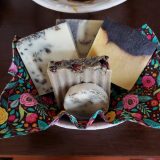 Body BarA true cold process soap for gentle, everyday cleansing.
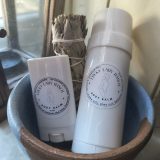 Body BalmUnrefined shea and organic beeswax for hard working skin.
Questions people ask
Is clean beauty more expensive?
Individual products can cost more, but a simpler routine with fewer, multi use products often costs less overall. Concentrated bars and oils also tend to last longer.
What clean beauty products should I switch first?
Start with leave-on products you use daily, such as moisturizer, lip balm, deodorant and sun protection. Rinse-off products can follow as they run out.
Is DIY skincare cheaper and safe?
Simple, water free mixes of plant oils and butters can be. Avoid harsh kitchen ingredients like lemon juice and baking soda, and do not make water based products without a proper preservative.
How do I make a shampoo bar last longer?
Let it dry fully between uses on a draining dish, keep it out of the shower stream, and cut it in half so only one piece is exposed at a time.
Sources and further reading
- US Food and Drug Administration (FDA), Shelf Life and Expiration Dating of Cosmetics
- US Food and Drug Administration (FDA), "Natural" on Cosmetics Labels
- American Academy of Dermatology (AAD), How to select anti-aging skin care products
- Federal Trade Commission (FTC), Green Guides
This guide is for general education and is not medical advice. If you have a skin condition, allergy, or are pregnant or nursing, talk with your doctor or a board certified dermatologist about the products that are right for you.