Ten Easy Clean Skincare Swaps
You do not have to replace everything at once. These ten clean skincare swaps are simple, affordable and easy to make as products run out.

Key takeaways
- Make swaps as products run out rather than throwing everything away at once.
- The most useful first swaps are leave on products: moisturizer, lip balm, eye cream and sunscreen.
- Multi use products such as a facial oil can replace several items at once.
- Read the ingredient list, not the front label, for every swap.
Moving toward chemical free beauty does not require a dramatic bathroom purge. The easiest path is a series of small, sensible changes made one at a time, usually when a product runs out. These ten clean skincare swaps cover the face and lips, roughly in the order many people find most useful. Each one replaces a product that often contains harsh synthetic additives with a simpler option you can understand at a glance.
Before you start
Two quick principles make every swap easier:
- Read the back, not the front. Words like "natural," "clean" and "pure" are not defined for cosmetics in the US. The ingredient list tells the real story.
- Swap one product at a time. Give each new item a couple of weeks so you can tell how your skin responds, and patch test anything new.
1. Foaming face wash to a gentle bar or cleansing oil
Many foaming washes rely on strong sulfate detergents and synthetic fragrance. A gentle cold process facial bar, used briefly, or the oil cleansing method cleans without the tight, squeaky feeling. Look for short lists of plant oils and no "fragrance."
2. Makeup wipes to a cleansing oil and washable cloth
Disposable wipes often contain preservatives and fragrance, and they encourage rubbing. A teaspoon of plant oil massaged over dry skin and removed with a warm cloth dissolves makeup more thoroughly, with less waste. See removing makeup without harsh chemicals.
3. Moisturizer to a plant facial oil
Water based creams need preservatives to stay safe, and some use ones with higher allergy rates. A facial oil contains no water, so it needs little or no preservative. Two to four drops on damp skin works for most people. Our facial oil guide helps you pick one by texture.
4. Petroleum lip balm to a beeswax balm
Many classic lip balms are built on petrolatum or mineral oil, with added flavor and color. A balm made from beeswax, shea or cocoa butter and plant oils protects lips with ingredients you can name. Our Lip Love beeswax lip balm is a simple example.
5. Chemical sunscreen to mineral sun protection
Many sunscreens rely on organic UV filters such as oxybenzone, which the FDA has asked manufacturers for more safety data on and which Hawaii restricts for reef concerns. Mineral options use zinc oxide or titanium dioxide, which the FDA has proposed as generally recognized as safe and effective. This is one of the most valuable swaps you can make, as long as you keep using sun protection every day.
6. Separate eye cream to a drop of your face oil
Eye creams are often small, expensive and fragranced. For most people, a single drop of the same gentle oil used on the face, pressed lightly with the ring finger, does the job. If your eyes are sensitive, use an oil with no essential oils.
7. Alcohol heavy toner to plain water or a simple floral water
Toners with denatured alcohol high on the list can leave skin dry and tight. If you enjoy a mist, a simple floral water (hydrosol) or plain water before your oil works well. Many people find they can skip toner entirely, which is the minimalist skincare approach.
8. Gritty scrub to a soft washcloth
Harsh scrubs with sharp particles can irritate skin. A soft washcloth used gently once or twice a week, perhaps with your cleansing oil, removes dull surface flakes without scratching. Plastic microbeads were banned from rinse off cosmetics in the US under the Microbead Free Waters Act of 2015, but some scrubs still use rough shells or pits.
9. Fragranced night cream to oil plus balm
Night creams are often richly fragranced. At night, a few drops of facial oil followed by a thin layer of a shea and beeswax balm on dry areas offers deep comfort with a very short ingredient list.
10. Sheet masks to a weekly clay mask
Single use sheet masks create waste and often contain preservatives and fragrance to keep them soaked. A spoonful of kaolin or bentonite clay mixed with water makes a simple weekly mask, especially helpful for an oily T zone.
Swaps at a glance
| Instead of | Try | Watch for on the old label |
|---|---|---|
| Foaming face wash | Gentle bar or cleansing oil | Sodium lauryl sulfate, fragrance |
| Makeup wipes | Oil and washable cloth | Fragrance, methylisothiazolinone |
| Moisturizer | Facial oil | Formaldehyde releasing preservatives |
| Petroleum lip balm | Beeswax lip balm | Petrolatum, flavor, synthetic dyes |
| Chemical sunscreen | Mineral sun protection | Oxybenzone, octinoxate |
| Eye cream | Drop of face oil | Fragrance |
| Alcohol toner | Water or floral water | Alcohol denat. high on the list |
| Gritty scrub | Soft washcloth | Crushed shells, harsh particles |
| Night cream | Oil plus balm | Fragrance, long preservative list |
| Sheet masks | Clay mask | Fragrance, preservatives, waste |
Which swaps to make first
If you only make three, choose the ones that stay on your skin the longest: your moisturizer, your lip balm and your sunscreen. Leave on products spend hours in contact with your skin, while cleansers rinse away in a minute. After that, swap rinse off products as they run out.
Many people are surprised by how much one product can replace. A good plant oil blend such as our Beauty Oil can be a moisturizer, eye treatment and makeup remover all at once. That is good for your skin, your budget and your bathroom shelf.
A bonus swap: your pillowcase and towels
Not every helpful change is a product. Pillowcases collect oil, hair product and leftover skincare, and face towels stay damp for hours. Washing pillowcases weekly, using a clean towel for your face, and drying your washcloth flat between uses costs almost nothing and supports every other swap on this list. Skip strongly scented fabric softeners and dryer sheets for anything that touches your face, since fragrance residue on fabric can bother sensitive skin.
Keeping swaps realistic
Not every swap will suit you, and that is fine. Some people love oil cleansing and others prefer a quick bar wash. Some find mineral sunscreen too white on deeper skin tones and need to try a few before finding one that blends well. Clean beauty is not about perfection. It is about choosing, as often as you reasonably can, products with fewer and gentler ingredients. For budget friendly ideas, read clean beauty on a budget, and for the ingredients worth skipping, see face care ingredients to avoid.
From the ranch
Made in small batches, without the ingredients discussed above.
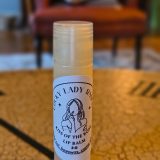 Lip BalmLip Love: our beauty oil blend with shea, cocoa butter and beeswax.
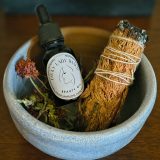 Beauty OilSeven plant oils for a soft, dewy, healthy looking face.
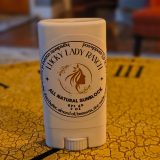 Mineral SunblockZinc oxide in a beeswax balm, without chemical UV filters.
Questions people ask
What is the easiest clean beauty swap?
Lip balm is often the easiest. A beeswax and plant oil balm replaces a petroleum based one with no change in routine. Swapping moisturizer for a facial oil is another simple, high impact change.
Should I throw out all my old skincare at once?
There is no need. Replacing products as they run out is gentler on your budget and lets you introduce new items one at a time, so you can see how your skin responds.
Which skincare products should I switch to natural first?
Start with leave on products that stay on your skin longest, like moisturizer, lip balm, eye cream and sunscreen. Rinse off products like cleansers can follow.
Are natural skincare swaps more expensive?
Not necessarily. Multi use products such as a facial oil can replace several items, and simple swaps like a washcloth instead of wipes or a clay mask instead of sheet masks often save money.
Sources and further reading
- US Food and Drug Administration (FDA), Microbead-Free Waters Act: FAQs
- US Food and Drug Administration (FDA), Questions and Answers: FDA Posts Proposed Rule to Improve Sunscreen Safety and Effectiveness (2019)
- US Food and Drug Administration (FDA), "Natural" on Cosmetics Labels
- State of Hawaii, Act 104 (2018), sunscreens containing oxybenzone and octinoxate
This guide is for general education and is not medical advice. If you have a skin condition, allergy, or are pregnant or nursing, talk with your doctor or a board certified dermatologist about the products that are right for you.