Natural Hair Oils: Which One for Your Hair Type
A practical match of plant oils to hair thickness, density and porosity, with simple ways to apply them and how much to use.

Key takeaways
- Strand thickness and porosity matter more than straight or curly when choosing an oil.
- Fine hair suits light oils such as jojoba or rice bran, used a drop or two at a time.
- Thick, curly and coily hair often welcomes richer oils like avocado or a castor blend.
- Oils help hair look and feel smoother; they do not make hair grow.
Natural hair oils can make hair look softer, shinier and less frizzy, but the same oil that transforms thick curls can leave fine hair flat and stringy. Choosing well comes down to two things: how heavy the oil feels, and how your particular hair takes in moisture. This guide matches common plant oils to hair types so you can stop guessing and start with a good fit, the practical way chemical free beauty should work.
First, know your hair
Hair type labels like "straight" or "curly" only tell part of the story. For oils, three traits matter more.
- Strand thickness. Roll a single hair between your fingers. If you can barely feel it, it is fine. If it feels like thread, it is coarse. Fine strands get weighed down easily.
- Density. How much hair you have. Lots of fine strands can still take more oil than a little coarse hair.
- Porosity. How easily water gets into and out of the hair. Low porosity hair has a tightly closed outer layer; water beads up on it and it takes a long time to dry. High porosity hair, often from bleaching, heat or sun, soaks up water fast and dries fast, but loses moisture just as fast.
A simple home check: notice how long your hair takes to get fully wet in the shower and how long it takes to air dry. Slow to wet and slow to dry suggests low porosity. Quick both ways suggests high porosity. The popular "float a hair in a glass of water" test is not very reliable, so trust what you see on wash day instead.
Oils at a glance
| Oil | Feel | Often suits | Notes |
|---|---|---|---|
| Jojoba | Light, silky | Fine hair, oily scalp, low porosity | Technically a liquid wax; similar to the skin's own sebum |
| Argan | Light to medium | Most hair types, frizz prone hair | A popular finishing oil for shine |
| Rice bran | Light | Fine to medium hair | Contains gamma oryzanol and vitamin E compounds |
| Sacha inchi | Light to medium | Dry, dull lengths | Rich in omega 3 fatty acids |
| Grapeseed | Very light | Fine hair | Absorbs quickly with little shine |
| Sweet almond | Medium | Medium and wavy hair | Avoid with a tree nut allergy |
| Coconut | Medium, solid when cool | Pre-wash for many types | Research suggests it can reduce protein loss when used before washing; some people find it makes hair stiff |
| Avocado | Rich | Thick, dry or curly hair | Good for very dry ends |
| Black seed | Medium, aromatic | Scalp blends | Strong scent; usually part of a blend |
| Castor | Very thick, sticky | Coarse, coily hair; edges | Best mixed with lighter oils |
For more depth on specific oils, the main site has guides to argan oil and sacha inchi and rice bran oil.
Matching oils to hair types
Fine or thin hair
Choose the lightest oils: jojoba, grapeseed, rice bran or a light argan. Use one or two drops, rubbed between your palms until almost invisible, then pressed onto the last few inches of hair. Never start at the roots. If fine hair looks greasy, you used too much or applied it too high.
Medium or wavy hair
Argan, sweet almond, sacha inchi or a light blend work well. Two to four drops on damp ends helps waves clump without crunch. A pre-wash treatment once a week can help ends that see a lot of sun or heat.
Thick, curly or coily hair
This hair usually welcomes richer oils such as avocado, or blends with some castor. Apply to damp, sectioned hair after a water based leave-in or conditioner, so the oil helps hold moisture in. Many people with coily hair layer water, a cream and then oil; others prefer the oil before the cream. Try both and see which leaves your hair softer the next day.
High porosity or color treated hair
Hair that drinks water quickly often does well with a slightly heavier oil to slow moisture loss, plus a pre-wash oil treatment before shampoo. See our guide to gentler hair color options if your porosity comes from coloring.
Low porosity hair
Oil tends to sit on top of low porosity hair. Lighter oils, applied sparingly to damp, warm hair right after washing, usually work best. A warm towel over a pre-wash treatment can help it feel less greasy.
Three ways to use hair oil
- Pre-wash treatment. Apply to dry lengths 20 minutes to a few hours before shampooing. Good for dry, long or colored hair.
- Leave-in on damp hair. A few drops through the ends after towel drying, before styling. Helps with frizz and tangles.
- Finishing touch on dry hair. One drop smoothed over flyaways and ends. The lightest use, ideal for fine hair.
Scalp oiling is a separate question. If you have flakes, itch or an oily scalp, read our page on natural scalp care first, since heavy oils on the scalp do not suit everyone.
Quality and storage tips
- Look for a short ingredient list. Some "oil" serums are mostly silicone with a little plant oil. Our guide to silicone free hair care explains how to spot them.
- Choose dark glass bottles and store them away from heat and light. Oils high in omega fatty acids can go rancid faster.
- Smell it. Fresh oil smells mild, nutty or grassy. A crayon or paint smell means it has oxidized.
- If you have nut allergies, check for almond, argan, macadamia and similar nut oils and ask your doctor if unsure.
- Patch test any new oil, especially blends with essential oils. Our patch testing guide shows how.
What oils can and cannot do
Oils help hair look smoother and feel softer, reduce friction that can lead to breakage, and add shine. They do not repair split ends, and no oil has been shown to make hair grow. If you are noticing thinning or shedding, talk with a dermatologist, because the causes range from stress and nutrition to medical conditions that deserve a proper look.
Finding your amount
Start with less than you think, add a drop at a time, and judge the result the next morning, not right after styling. Most people end up using far less than they expected.
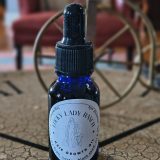
Our Hair Oil blends sacha inchi, black seed, rice bran, argan and castor, so it sits in the light to medium range and works for many hair types when the amount is adjusted. Fit it into a simple chemical free hair care routine and let your hair tell you how much it needs.
From the ranch
Made in small batches, without the ingredients discussed above.
Questions people ask
What is the best natural oil for fine hair?
Light oils such as jojoba, grapeseed, rice bran or a light argan tend to suit fine hair. Use one or two drops on the ends only.
Should I put oil on wet or dry hair?
Both work. Damp hair spreads oil more evenly and helps lock in water. Dry hair is best for a tiny finishing amount on flyaways.
Is coconut oil good for all hair types?
Not always. Research suggests coconut oil used before washing can reduce protein loss, but some people, often with low porosity or coarse hair, find it leaves hair stiff or dull.
Can hair oil cause buildup?
Too much oil, or oil layered on oil without proper washing, can make hair feel heavy. A thorough shampoo removes plant oils far more easily than heavy silicones.
Sources and further reading
- Rele AS, Mohile RB, Effect of mineral oil, sunflower oil, and coconut oil on prevention of hair damage, Journal of Cosmetic Science (2003)
- Gavazzoni Dias MF, Hair cosmetics: an overview, International Journal of Trichology (2015)
- Cosmetic Ingredient Review (CIR), Safety Assessment of Plant Derived Fatty Acid Oils
- American Academy of Dermatology (AAD), Tips for healthy hair
This guide is for general education and is not medical advice. If you have a skin condition, allergy, or are pregnant or nursing, talk with your doctor or a board certified dermatologist about the products that are right for you.