Natural Scalp Care for a Healthy Looking Scalp
Your scalp is skin. How to read flakes and itch, a gentle routine for a healthy looking scalp, and when to see a dermatologist.
Key takeaways
- The scalp is skin, and it does best with lukewarm water, a mild cleanser and thorough rinsing.
- Dry scalp and dandruff look alike but respond differently; heavy oils may not suit dandruff.
- Fingertip massage and gentle, occasional exfoliation help lift flakes and buildup.
- Persistent flaking, scaling or hair loss deserves a dermatologist's look.
Natural scalp care starts with a simple idea: your scalp is skin. It has oil glands, sweat glands, a microbiome and a protective barrier, just like your face. When people build a chemical free beauty routine, the scalp is often the last thing they think about, even though it is where much of the itch, flaking and discomfort in a hair routine comes from. This guide covers what a healthy looking scalp needs, how to read the common signs, and when to stop experimenting and see a professional.
What a comfortable scalp looks like
A scalp that is doing well is mostly quiet. It does not itch much, it does not flake in visible amounts, it does not feel tight after washing, and it does not get greasy within hours. Some oil is normal and useful. Sebum travels down the hair and protects it. The goal is balance, not a scalp scrubbed bare.
Reading the common signs
| What you notice | Often linked to | Gentle first steps |
|---|---|---|
| Small, dry, white flakes; tight feeling | Dry scalp, hot water, cold weather, overwashing | Cooler water; milder cleanser; space out washes |
| Larger, oily, yellowish flakes; itch; redness | Dandruff or seborrheic dermatitis, linked to a yeast called Malassezia | See a dermatologist or pharmacist; may need a medicated shampoo |
| Itch or rash after a new product | Irritation or allergy to an ingredient | Stop the product; patch test before trying others |
| Greasy within a day | Natural oil level, hormones, heavy products on the roots | Wash more often; keep oils and conditioner off the scalp |
| Buildup along the part or hairline | Leftover product, dry shampoo, hard water | Thorough double wash; less leave-on product |
Dry scalp and dandruff can look alike but respond differently. Dry scalp tends to improve with gentler washing and a little moisture. Dandruff often gets worse with heavy oils and less washing. If you are unsure which you have, ask a dermatologist before trying home fixes.
A simple routine for a healthy looking scalp
Wash for your scalp, not just your hair
Wash frequency should follow how your scalp feels. Oily scalps often do best with frequent, gentle washing. Dry scalps usually prefer fewer washes and lukewarm water. Our sulfate free shampoo guide explains why a milder cleanser can help a scalp that feels tight after washing.
Massage while you cleanse
Use the pads of your fingers, not your nails, and move in small circles for a minute or two while shampooing. This loosens flakes and product, and many people find it relaxing. Scratching with nails can leave tiny breaks in the skin that sting and itch more.
Rinse completely
Leftover shampoo and conditioner along the scalp can itch. Tilt your head and rinse at the nape and behind the ears, where residue hides.
Keep conditioner on the lengths
Most scalps do not need conditioner. If yours feels very dry, a small amount is fine, but rinse it well.
Use scalp oil thoughtfully
A light oil massage before washing can feel soothing for a dry, tight scalp. It is not for everyone. If you have dandruff or seborrheic dermatitis, some dermatologists suggest caution with oils on the scalp, because certain oils may feed the yeast involved. Apply a small amount, leave it 20 to 30 minutes, then shampoo it out. Our guide to natural hair oils by hair type can help you pick a lighter one.
Gentle exfoliation, if you want it
Some people like occasional scalp exfoliation to lift dead skin and buildup. Gentle approaches work best: a soft silicone scalp brush used in the shower, or simply a longer fingertip massage. Gritty scrubs with sugar or salt can be hard to rinse out and may scratch, and strong acid scalp treatments can irritate sensitive skin. Once a week is plenty. Skip it entirely if your scalp is sore, sunburned or broken.
Products worth a second look
- Dry shampoo. Handy, but heavy use can leave residue at the roots. Some aerosol dry shampoos have been recalled after benzene contamination was found; the main site explains benzene in dry shampoo aerosols. Non aerosol powders and simply washing are alternatives.
- Heavily fragranced products. Fragrance is a common cause of contact allergy. Unscented or lightly scented products are kinder to a reactive scalp.
- Tight styles. Tight ponytails, braids and extensions pull on the scalp and can cause tenderness and breakage along the hairline. Loosen up when you can.
- Hair dye. Scalp itching or burning after coloring is a signal to stop and get advice. See gentler hair color options.
Everyday habits that help
- Wash brushes and combs. Oil, flakes and product collect in bristles and go right back onto a clean scalp. A soak in warm soapy water every week or two keeps them fresh.
- Change pillowcases often. Once or twice a week is a good rhythm if your scalp is oily or flaky.
- Dry your roots after washing. Going to bed or tying hair up while the scalp is still soaked can leave it feeling damp and itchy for hours.
- Rinse after sweating. A plain water rinse after exercise removes salt without a full shampoo.
Sun and your scalp
The scalp burns, especially along a part or where hair is thin. A hat is the simplest protection. Mineral sunblock works on a part line if you apply a small amount and blend well, though it can look white on dark hair. The chemical free skincare routine on this site covers sun protection for the face too.
When to see a professional
Talk with a doctor or dermatologist if you notice any of the following:
- Flaking or itch that does not improve after a few weeks of gentle care
- Thick scales, crusting, oozing or bleeding
- Patches of hair loss, sudden heavy shedding, or a widening part
- Pain, swelling, or bumps that do not heal
- A rash that spreads beyond the hairline
Natural products can make a scalp feel comfortable, but they are not treatments. Conditions like psoriasis, seborrheic dermatitis and hair loss deserve proper diagnosis.
Putting it together
A comfortable scalp usually comes from small habits: lukewarm water, a mild cleanser, fingertip massage, thorough rinsing, and fewer leave-on products at the roots. Our Shampoo and Conditioner Bar is made without sulfates, and our Hair Oil can be used sparingly as a pre-wash scalp massage for those whose scalp likes it. For the full wash day, see our chemical free hair care routine.
From the ranch
Made in small batches, without the ingredients discussed above.
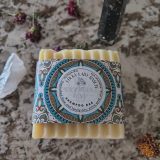 Shampoo and Conditioner BarPlastic free hair care with argan, castor and black seed oil.
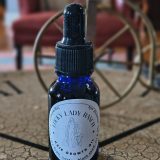 Hair OilSacha inchi, black seed, rice bran, argan and castor for hair and scalp.
Questions people ask
How do I know if I have dry scalp or dandruff?
Dry scalp tends to produce small, white, dry flakes and a tight feeling. Dandruff often brings larger, oily, yellowish flakes with itch or redness. A dermatologist can confirm which one you have.
Is oiling your scalp good for you?
A light pre-wash oil massage can feel soothing for a dry scalp. It may not suit dandruff or seborrheic dermatitis, and the oil should be washed out rather than left on for days.
How often should I exfoliate my scalp?
Once a week at most, and gently. A soft scalp brush or longer fingertip massage is enough for most people. Skip it if your scalp is sore or broken.
Can dry shampoo cause scalp problems?
Heavy, daily use can leave residue and buildup at the roots. Wash it out regularly, and consider non aerosol options.
Sources and further reading
- American Academy of Dermatology (AAD), Dandruff: How to treat
- American Academy of Dermatology (AAD), Seborrheic dermatitis: Overview
- US Food and Drug Administration (FDA), Benzene contamination in certain drug and cosmetic products
- Borda LJ, Wikramanayake TC, Seborrheic Dermatitis and Dandruff: A Comprehensive Review, Journal of Clinical and Investigative Dermatology (2015)
This guide is for general education and is not medical advice. If you have a skin condition, allergy, or are pregnant or nursing, talk with your doctor or a board certified dermatologist about the products that are right for you.