Sulfate Free Shampoo: What Changes for Your Hair
What really changes when you switch to sulfate free shampoo, which replacement cleansers to look for, and how to wash well with less foam.

Key takeaways
- Sulfate free shampoo cleans with milder surfactants, so lather is softer but cleaning still works.
- "Sulfate free" only says what is missing; check what replaced the sulfate.
- Double washing and long rinses solve most early complaints.
- Hard water can affect soap based bars; rinsing longer and an occasional acidic rinse help.
Sulfate free shampoo is often the first swap people make when they start building a chemical free beauty routine, and it is a good one to start with. But the switch can be confusing. The lather is smaller, the first few washes can feel different, and "sulfate free" on a label does not automatically mean gentle. Here is what actually changes for your hair, and how to get good results from the start.
What sulfates do in shampoo
Sulfates such as sodium lauryl sulfate (SLS) and sodium laureth sulfate (SLES) are surfactants: they grab oil and dirt so water can carry it away, and they make a lot of foam. They are very good at this, which is why they have been used for decades. For some people, especially those with dry, curly, color treated or sensitive scalp, they can be more cleansing than needed and leave hair rough and skin tight. The main site has a full guide to SLS and SLES if you want the chemistry and research in detail. This article stays focused on the practical side of the switch.
What changes when you switch
Less foam, same cleaning
Big foam is mostly a sensory signal. Many milder cleansers make a softer, creamier lather, especially on the first wash when your hair still carries a few days of oil. If the first round barely foams, rinse and lather again; the second round usually behaves much better.
Your oil balance may shift
Some people find their scalp feels oilier for a few weeks after leaving strong sulfates, then settles. Others notice nothing. There is little solid research on this, so treat it as a common experience rather than a guarantee, and adjust wash frequency to how your scalp feels.
Ends often feel softer
Because a milder cleanser removes less of the natural oil along the lengths, dry and textured hair often feels softer and tangles less. Curly hair in particular tends to hold its pattern better.
Color may last longer
Many colorists suggest sulfate free shampoo for dyed hair because gentler washing, together with cooler water and fewer washes, can help color fade more slowly.
Not all sulfate free shampoos are alike
"Sulfate free" only tells you what is missing. What replaced the sulfate matters just as much. Here are the common approaches you will see on a label.
| Type | Common label names | How it tends to feel |
|---|---|---|
| Soap based bar | Saponified oils, sodium olivate, sodium cocoate | Rich, simple ingredient list; can feel waxy in hard water until you find your rhythm |
| Mild synthetic surfactants | Sodium cocoyl isethionate, coco glucoside, decyl glucoside, cocamidopropyl betaine | Gentle, creamy lather; still a lab made ingredient, though usually plant derived |
| Stronger non sulfate surfactants | Sodium C14-16 olefin sulfonate | Can be nearly as stripping as sulfates despite the "sulfate free" claim |
| Cleansing conditioner (co-wash) | Mostly conditioning agents with little or no surfactant | Very soft; may not clean an oily scalp enough on its own |
One more thing to know: cocamidopropyl betaine is gentle for most people, but it has been linked to skin allergies in some, often blamed on impurities from manufacturing. If your scalp reacts to many liquid shampoos, it may be worth checking for it. Our page on how to patch test new products works for shampoo too.
How to wash well with a sulfate free shampoo
- Wet completely. Give your hair a full minute under the water before applying anything.
- Use the right amount. Start with a little less than you used before. With a bar, three or four passes over the scalp is usually enough.
- Work with your fingertips. Massage the scalp in small circles. Do not pile all your hair on top of your head and scrub; that causes tangles.
- Double wash when needed. After a workout, a weekend of dry shampoo, or a styling product, a second round is normal.
- Rinse thoroughly. Leftover product makes hair feel heavy no matter what cleanser you use.
- Condition the ends. Keep conditioner off the roots unless your scalp is very dry.
A word about hard water
If you have hard water, minerals such as calcium and magnesium can react with soap based cleansers and leave a dull film. People with hard water sometimes find that liquid sulfate free shampoos are easier, or that soap based bars work well once they rinse longer and add an occasional acidic rinse. A pH adjusted bar is designed to make this easier. A shower filter is another option some households use, though results vary by filter type.
Who might notice the biggest difference
- People with curly, coily or naturally dry hair
- Anyone with color treated, bleached or chemically straightened hair
- People whose scalp feels tight or itchy after washing
- Those who swim often or wash daily and want a gentler daily option
If you have a very oily scalp, heavy styling product use, or a dermatologist recommended medicated shampoo, a sulfate free shampoo may need help from a second wash, or may work best alongside the medicated product rather than replacing it. Ask your dermatologist before stopping any treatment shampoo.
Reading the label with confidence
Turn the bottle or box over and look at the first few ingredients after water. That is where the main cleanser lives. Then scan for the other things a gentle routine usually leaves out: "fragrance" or "parfum" without detail, harsh preservatives, and heavy silicones if you are trying to avoid buildup. Our guide to silicone free hair care covers that last point, and makeup ingredients to avoid and face care ingredients to avoid help you apply the same eye to the rest of your shelf.
Our approach
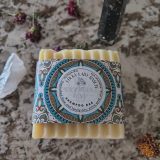
We make our Shampoo and Conditioner Bar from olive, coconut, shea, argan, castor, avocado and black seed oils, pH adjusted for hair, with no sulfates in the mix. It fits neatly into the chemical free hair care routine we describe on this site, and it travels well too. Whatever you choose, give a new shampoo three or four weeks and a few honest notes before you decide. Hair tells you a lot if you watch it calmly.
From the ranch
Made in small batches, without the ingredients discussed above.
Questions people ask
Why doesn't my sulfate free shampoo lather?
Milder cleansers make less foam, especially on the first wash when hair carries extra oil. Rinse and lather a second time. Less foam does not mean less cleaning.
Is sulfate free shampoo better for your hair?
For dry, curly, color treated or sensitive scalp types, many people find it gentler and less drying. For a very oily scalp, a strong cleanser may still be preferred. It depends on your hair and scalp.
Does sulfate free shampoo clean as well?
Yes, for everyday dirt and oil. Heavy styling products, swimming pool water or lots of dry shampoo may call for a second wash.
Can sulfate free shampoo cause buildup?
The shampoo itself rarely causes buildup, but milder cleansers remove silicones and waxy styling products less aggressively. If your hair feels coated, rinse longer and avoid heavy silicones.
How long should I try a sulfate free shampoo before deciding?
Give it three to four weeks. Many people need a few washes to adjust their technique, wash frequency and amount of product.
Sources and further reading
- Cosmetic Ingredient Review (CIR), Safety Assessment of Sodium Lauryl Sulfate and Ammonium Lauryl Sulfate
- Cosmetic Ingredient Review (CIR), Safety Assessment of Alkyl Betaines and Amidopropyl Betaines
- American Contact Dermatitis Society, Contact Allergen Management Program (CAMP)
- Gavazzoni Dias MF, Hair cosmetics: an overview, International Journal of Trichology (2015)
- American Academy of Dermatology (AAD), Tips for healthy hair
This guide is for general education and is not medical advice. If you have a skin condition, allergy, or are pregnant or nursing, talk with your doctor or a board certified dermatologist about the products that are right for you.