Face Care Ingredients to Avoid
A practical, product by product list of face care ingredients to avoid, the label names to watch for, and simpler options for each step.

Key takeaways
- Fragrance, strong preservatives like methylisothiazolinone and formaldehyde releasers, and harsh sulfates are the most common face care irritants.
- Leave on products matter most, since they stay on your skin for hours.
- Skin lightening creams sold online can contain mercury or unregulated hydroquinone; skip them.
- Hazard is not the same as risk: the goal is to skip ingredients with real reasons for caution, not to fear every long name.
Ingredient lists are long, and most of us do not have time to research every name. This guide narrows things down to the face care ingredients to avoid that come up most often, organized by the product where you are likely to find them. It is a shopper's list for chemical free beauty, not a chemistry lecture. For deeper science on any one ingredient, we link to the main site's detailed guides.
A note on hazard and risk
Not every ingredient on this list is dangerous in every amount. Regulators often allow ingredients at levels they consider safe, and many people use them without trouble. The reasons people choose to avoid them vary: high allergy rates, irritation, restriction in other countries, or simply no benefit for your skin. Our aim is to help you make informed choices, not to frighten you.
Ingredients worth skipping, at a glance
| Ingredient | Label names | Where on your face routine | Why people skip it |
|---|---|---|---|
| Synthetic fragrance | Fragrance, parfum, aroma | Almost everything | Common cause of cosmetic allergy; components usually undisclosed |
| Methylisothiazolinone | Methylisothiazolinone, methylchloroisothiazolinone | Cleansers, wipes, creams | High allergy rates; banned in leave on products in the EU |
| Formaldehyde releasers | DMDM hydantoin, quaternium 15, imidazolidinyl urea, diazolidinyl urea, bronopol | Creams, cleansers, eye products | Release small amounts of formaldehyde, a known allergen |
| Harsh sulfates | Sodium lauryl sulfate, sodium laureth sulfate | Foaming face wash | Can be drying and irritating, especially for dry or sensitive skin |
| Drying alcohol | Alcohol denat., SD alcohol, isopropyl alcohol | Toners, gels, mattifiers | Drying when high on the list |
| Oxybenzone, octinoxate | Benzophenone 3, ethylhexyl methoxycinnamate, octyl methoxycinnamate | Chemical sunscreen, tinted moisturizer | Under FDA review for more safety data; restricted in Hawaii |
| Some parabens | Propylparaben, butylparaben, and others ending in "paraben" | Creams, makeup | Some restricted or banned in the EU; endocrine questions |
| Hydroquinone and mercury | Hydroquinone, mercurous chloride, calomel, mercurio | Imported skin lightening creams | Hydroquinone no longer sold over the counter in the US; FDA warns about mercury in some imported creams |
| Synthetic dyes | CI numbers, FD&C or D&C colors | Cleansers, toners, masks | Add color, not care |
| Cyclic silicones | Cyclopentasiloxane, cyclotetrasiloxane | Primers, serums | Restricted in the EU for environmental persistence |
By product: what to check
Face wash and cleansers
Watch for harsh sulfates, fragrance, methylisothiazolinone and synthetic dyes. A gentle bar or the oil cleansing method avoids most of these.
Moisturizers and night creams
Water based creams need preservatives, so this is where formaldehyde releasers and isothiazolinones most often appear. Also watch for fragrance and PEG compounds, which can carry trace contamination with 1,4 dioxane. Plant oils and balms, which contain no water, need far fewer preservatives. See how to choose a facial oil.
Toners and mists
Drying alcohol high on the list, fragrance and dyes. Plain water or a simple floral water usually does the job.
Sunscreen and tinted products
If you prefer to avoid oxybenzone and similar filters, look for mineral formulas with zinc oxide or titanium dioxide as the only active ingredients. Never skip sun protection to avoid an ingredient. Choose another formula instead.
Skin lightening and "brightening" creams
This category deserves extra caution. The FDA has warned that some skin lightening creams, often sold online or imported, contain mercury. Over the counter hydroquinone products are no longer legally sold in the US, though they still turn up online. Our main site explains hydroquinone risks and gentler options. If you are concerned about dark spots, a dermatologist can recommend safe treatment.
Eye area products
Eye creams, makeup removers and mascara often contain preservatives and fragrance close to delicate skin. See makeup ingredients to avoid for the full eye makeup list.
How to read a face product label quickly
- Scan for "fragrance" or "parfum." If present, consider whether you need a scented product.
- Find the preservative. It is usually near the end. Look for the names in the table above.
- Check the first five ingredients. They make up most of the product. Are they things that care for your skin, or fillers?
- Look for many unfamiliar names in a row. Long runs of polymers, PEGs and silicones suggest a product built for texture over care.
Natural ingredients can be on the list too
Avoiding harsh synthetics does not mean every plant ingredient is automatically fine for your face. A few natural ones deserve care:
- Essential oils at high strength. Citrus oils such as bergamot can make skin more sensitive to sunlight, and oxidized essential oils are more likely to cause allergy. On the face, less is better.
- Undiluted lemon juice, vinegar or baking soda. Popular in home remedies, but they can disrupt the skin's natural acidity and cause irritation.
- Coarse scrubs made from shells or pits. Natural, yes, but sharp particles can irritate the face.
Long names that are usually fine
Some ingredients sound alarming but are generally gentle and widely used in simple formulas:
- Tocopherol: vitamin E, used to slow oil oxidation.
- Glycerin: a humectant that helps skin hold water.
- Cetyl, cetearyl and stearyl alcohol: fatty alcohols that soften and thicken. They are not drying like alcohol denat.
- Sodium olivate, sodium cocoate: the soap made from olive and coconut oils in a cold process bar.
- Butyrospermum parkii: shea butter, by its Latin name.
Knowing these helps you avoid rejecting a perfectly gentle product just because its label looks technical.
Who should be most careful
- People with eczema, rosacea or very sensitive skin
- Anyone with a known allergy to a preservative or fragrance ingredient
- People who are pregnant or breastfeeding, who may wish to discuss retinoids, some sunscreen filters and skin lighteners with their doctor
- Children and teens, whose routines rarely need many products; see chemical free beauty for teens
What to look for instead
The positive side of this list is simple. Look for short ingredient lists led by plant oils, butters and waxes; named essential oils instead of "fragrance," or no scent at all; mineral sun filters; and anhydrous products such as oils, balms and bars that need little or no preservative. Our list of ten easy clean skincare swaps turns this into a shopping plan, and our Beauty Bar for the face shows what a short cleanser label can look like.
Keep it in proportion
You do not need to memorize every chemical name. Learn the handful above, check leave on products first, and patch test anything new. That alone removes most of the common irritants from your face care. If you have a reaction you cannot explain, a dermatologist can run formal patch tests to identify the ingredient responsible.
From the ranch
Made in small batches, without the ingredients discussed above.
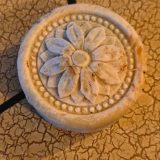 Beauty BarA gentle facial bar with rosehip, prickly pear and vitamin E.
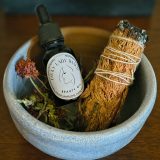 Beauty OilSeven plant oils for a soft, dewy, healthy looking face.
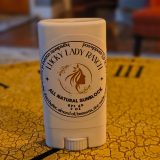 Mineral SunblockZinc oxide in a beeswax balm, without chemical UV filters.
Questions people ask
What ingredients should I avoid in face wash?
Common ones to skip are sodium lauryl sulfate, synthetic fragrance, methylisothiazolinone and synthetic dyes. A gentle bar or cleansing oil with a short ingredient list is a simple alternative.
What is the most common skincare allergen?
Fragrance is one of the most common causes of cosmetic allergy, along with some preservatives such as methylisothiazolinone and formaldehyde releasers. Unscented products with short labels lower the risk.
Are skin lightening creams safe?
Some imported or online creams have been found to contain mercury, and over the counter hydroquinone is no longer legally sold in the US. For dark spots, talk with a dermatologist about safe options.
Do I need to avoid every ingredient on these lists?
No. Many are allowed at levels regulators consider safe. These lists highlight ingredients with real reasons for caution so you can make choices that suit your skin, especially for leave on products.
Sources and further reading
- US Food and Drug Administration (FDA), Mercury Poisoning Linked to Skin Products
- US Food and Drug Administration (FDA), Allergens in Cosmetics
- American Contact Dermatitis Society, Allergen of the Year: Methylisothiazolinone (2013)
- European Commission, Regulation (EC) No 1223/2009 on Cosmetic Products, Annexes II and V
- US Food and Drug Administration (FDA), Skin Products Containing Hydroquinone
This guide is for general education and is not medical advice. If you have a skin condition, allergy, or are pregnant or nursing, talk with your doctor or a board certified dermatologist about the products that are right for you.