Chemical Free Beauty for Teens
A gentle, simple start for teen skin and hair: a short routine, calm acne habits, trends to skip, and tips for parents.
Key takeaways
- Most teens need only a gentle cleanser, sun protection, a light moisturizer and lip balm.
- Adult anti aging products and harsh DIY hacks can irritate young skin.
- Over the counter acne ingredients are fine to use; persistent acne deserves a dermatologist.
- Never share eye makeup, and remove makeup before bed.
Chemical free beauty for teens is less about buying the right products and more about learning a few good habits early. The teen years bring oilier skin, the first breakouts, curiosity about makeup and hair color, and a constant stream of routines on social media. A simple, gentle approach helps teens look after their skin and hair without spending a fortune or piling on ingredients that young skin does not need. This guide is written for teens and the parents who help them shop.
Why simple works best at this age
During puberty, hormones increase oil production, especially across the forehead, nose and chin. Skin also tends to be resilient and quick to bounce back. What it rarely needs is a ten step routine with strong acids, retinoids and anti aging serums. Dermatologists have raised concerns about tweens and young teens using products designed for adult or mature skin, because layering active ingredients can lead to irritation, redness and a damaged skin barrier. Fewer products also means fewer chances of a reaction, and it makes it much easier to tell what is helping. Our page on minimalist skincare explains this idea in more depth.
A starter routine
| When | Step | Tips |
|---|---|---|
| Morning | Rinse or gentle cleanse | Lukewarm water; pat dry with a clean towel |
| Morning | Sun protection | A mineral sunscreen on the face and a hat outdoors |
| Evening | Gentle cleanse | Especially after sports or makeup |
| Evening | Light moisturizer if needed | Many oily skins need very little; dry patches can take a small amount |
| Anytime | Lip balm | Helps with dry, chapped lips from sun, wind and braces |
That is genuinely enough for most teens. Add one product at a time, and give each one a couple of weeks before deciding if it helps. Before using anything new on the face, try our patch testing steps.
Breakouts: what helps and what does not
Acne is very common in the teen years and is not caused by being dirty. Scrubbing harder, washing many times a day, or using harsh, gritty scrubs can make skin more irritated and red. Some calm habits help:
- Wash twice a day and after heavy sweating, with a gentle cleanser and fingertips.
- Try not to pick or squeeze, which can lead to marks that last longer than the spot.
- Change pillowcases often and clean phone screens.
- Keep hair products and heavy pomades off the forehead.
- Choose makeup and moisturizers labeled non comedogenic if you break out easily.
It is fine, and often wise, to use the over the counter acne ingredients dermatologists recommend, such as benzoyl peroxide or salicylic acid, for mild breakouts. A chemical free beauty approach does not mean avoiding proven help. If acne is painful, deep, leaves scars, or affects how a teen feels about themselves, see a doctor or dermatologist. Earlier treatment can help prevent scarring. For more on oil control, see natural skincare for oily and combination skin.
Trends to skip
- Lemon juice, toothpaste or baking soda on the face. These are harsh, can burn or irritate, and lemon can cause dark marks when skin is exposed to sun.
- Adult anti aging routines. Retinoids, strong acids and peels belong under a dermatologist's guidance at this age.
- Sharing eye makeup. Mascara and eyeliner can spread eye infections. Keep them personal and replace them regularly; see makeup shelf life.
- Sleeping in makeup. A gentle removal at night matters. A soft cloth and a little plant oil or gentle cleanser is all it takes.
- DIY tanning or "sunburn tan" challenges. Any tan is a sign of skin damage.
Makeup for beginners
A few pieces go a long way: a tinted balm, a brow gel, and maybe a mascara. Look for short ingredient lists and skip heavily fragranced products, which are a common cause of skin reactions. If eyes are sensitive or contact lenses are involved, our guide to clean mascara for sensitive eyes is helpful. Many teens enjoy nail polish too; choosing formulas made without toluene, formaldehyde and dibutyl phthalate is an easy swap, and opening a window while painting helps too.
Body sprays and fragrance
Scented body mists and sprays are popular in middle and high school. Fragrance blends can contain many ingredients that labels do not have to list individually, and fragrance is one of the most common causes of contact allergy. If a teen gets rashes or headaches around scents, an unscented routine is worth trying. The main site's guide to synthetic fragrance and parfum explains how fragrance labeling works. Lightly scented natural products, or simply clean clothes and a gentle soap, are often all anyone needs.
Hair: easy on the heat and bleach
Teen hair takes a lot: daily straighteners, box bleach at sleepovers, tight ponytails for sports. A few habits protect it.
- Use heat tools on lower settings and skip them a few days a week.
- Avoid bleaching at home; lightening is best done by a professional, if at all. Temporary color sprays and washable tints are a lower commitment way to experiment.
- Switch up ponytail positions and use soft ties to avoid pulling at the hairline.
- Find a simple hair care routine and stick with it for a few weeks before changing.
Deodorant and body care
Puberty also brings body odor, and many teens reach for strong antiperspirants and scented sprays. A daily shower, clean clothes, and an aluminum free deodorant work well for many young people. Expect a short adjustment period if switching from an antiperspirant. Breathable cotton clothing and a change of shirt after sports help more than extra product.
For parents: how to help without a fight
Teens are more likely to keep a routine they chose themselves. Offer to read labels together, explain why a short ingredient list is easier on skin, and agree on a monthly budget. Our guide to clean beauty on a budget helps. Watch for signs that skin concerns are affecting mood or confidence, and treat a dermatologist visit as normal care, not a last resort.
Gentle products for a first routine
At Lucky Lady Ranch, we often hear from parents looking for a first face product. Our Beauty Bar for the face is a gentle cold process option for twice a day cleansing, and our Lip Balm is a simple everyday staple. Start small, learn what your skin likes, and let the habits do most of the work.
From the ranch
Made in small batches, without the ingredients discussed above.
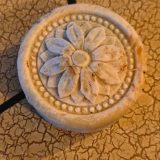 Beauty BarA gentle facial bar with rosehip, prickly pear and vitamin E.
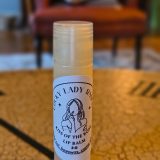 Lip BalmLip Love: our beauty oil blend with shea, cocoa butter and beeswax.
Questions people ask
What is a good skincare routine for a teenager?
A gentle cleanser morning and night, sun protection during the day, a light moisturizer if skin feels tight, and lip balm. Add one new product at a time.
Should teenagers use retinol?
Generally only if a dermatologist recommends it, usually for acne. Retinoids can irritate skin, and anti aging use is not needed at this age.
Is natural skincare good for teen acne?
Gentle, simple products help avoid irritation, but acne often needs targeted ingredients such as benzoyl peroxide or salicylic acid. See a dermatologist for painful or scarring acne.
At what age should kids start a skincare routine?
Most children need only gentle washing and sun protection. Around puberty, when skin gets oilier, a simple twice daily cleanse and moisturizer makes sense.
Sources and further reading
- American Academy of Dermatology (AAD), Acne: Tips for managing
- American Academy of Dermatology (AAD), How to safely care for your child's skin
- US Food and Drug Administration (FDA), Eye Cosmetic Safety
- American Academy of Pediatrics (AAP), HealthyChildren.org, Acne Treatment: What Parents Need to Know
This guide is for general education and is not medical advice. If you have a skin condition, allergy, or are pregnant or nursing, talk with your doctor or a board certified dermatologist about the products that are right for you.