Hair Styling Without Petroleum: Pomades and Balms
How plant butters, oils and natural waxes compare with petroleum pomades and polymer gels, and how to use and wash them out well.

Key takeaways
- Traditional grease pomades rely on petrolatum and mineral oil; water based gels rely on synthetic polymers.
- Plant based pomades give a softer, flexible hold and natural sheen, plus conditioning.
- Warm the product, start small, and apply from back to front.
- Shampooing on dry hair first helps remove butter based products.
Petroleum free hair styling is easier than it used to be, but the shelf is still full of pomades built on petrolatum and mineral oil, and "water based" gels made from synthetic polymers. If you want hold, shine or a tidy finish while keeping your routine closer to chemical free beauty, plant butters, oils and natural waxes can do the job. They behave a little differently, so it helps to know what to expect and how to use them.
What is in a traditional pomade
Classic grease pomades are mostly petrolatum, sometimes with mineral oil, lanolin and paraffin or microcrystalline wax. They give strong shine and a hold that lasts all day, and they are inexpensive. The downside is that they are hard to wash out, can feel heavy, and can transfer onto pillowcases and hat bands. Petroleum ingredients are considered safe for cosmetic use when highly refined, but many people prefer to leave them out for reasons of feel, buildup, or simply wanting plant based ingredients. The main site's guide to mineral oil and petrolatum covers the safety and refining questions in detail.
Water based pomades, gels and creams take a different route. They rely on film forming polymers such as PVP, VP/VA copolymer or acrylates copolymers, plus preservatives, humectants and often fragrance. They wash out easily, but the ingredient lists tend to be long.
Natural alternatives and how they compare
| Base | Hold | Shine | Washes out | Best for |
|---|---|---|---|---|
| Petrolatum grease pomade | Medium to strong | High | Hard; often several washes | Slick classic styles |
| Water based polymer pomade or gel | Medium to strong | Low to high | Easy | Firm styles, quick wash out |
| Beeswax or candelilla wax balm | Medium | Medium | Moderate | Textured styles, taming flyaways |
| Shea and plant oil pomade | Light to medium, flexible | Soft natural sheen | Easy to moderate | Smoothing, light shape, beards, curls |
| Plant oil alone | None | Medium | Easy | Frizz control and shine only |
The honest tradeoff: plant based balms rarely match the high shine, sculpted hold of a grease pomade. What they offer is a softer, touchable finish, a shorter ingredient list, and conditioning ingredients that also help hair feel less dry.
How to use a natural pomade or balm
- Start with a small amount. About the size of a pea for short hair, a little more for longer or thicker hair.
- Warm it first. Rub it between your palms until it melts and looks almost clear. Shea and wax balms are firm when cool and spread unevenly if you skip this.
- Apply from back to front. Starting at the crown and back keeps the most product away from your hairline and forehead, where it can contribute to clogged pores.
- Shape with fingers or a comb. Fingers give texture; a comb gives a neater, smoother line.
- Add more only if needed. Butter based products build quickly. A second tiny amount is better than one large one.
Styles and hair types
Short hair and classic cuts
A shea and oil pomade gives a tidy, natural looking side part or a soft brushed back look. For more lift, blow dry with a little volume first, then add pomade to set the shape.
Curly and coily hair
Butter based pomades are often welcome here, because they add moisture as well as definition. Apply to damp hair in sections, then scrunch or twist. They can also smooth edges with a soft brush.
Long hair
Use a tiny amount to smooth flyaways along the part, tame ends, or polish a bun or braid. Keep it away from the roots if your hair is fine.
Beards
Many people use the same balm on their beard. It softens coarse hair and helps keep stray hairs in place.
Washing it out
Plant butters and oils come out much more easily than petrolatum, but a gentle shampoo may need two rounds after a heavy application. A helpful trick is to apply shampoo to dry hair first, work it in where the pomade sits, then add water and lather. Our sulfate free shampoo guide has more tips for getting a thorough clean without harsh detergents. If you are coming off years of silicone or petroleum products, a one time clarifying wash, as described in silicone free hair care, gives you a clean starting point.
Label checks for styling products
- Petroleum ingredients: petrolatum, mineral oil (paraffinum liquidum), paraffin, microcrystalline wax, ceresin.
- Synthetic film formers: PVP, VP/VA copolymer, acrylates copolymer, polyquaternium compounds.
- Fragrance: "fragrance" or "parfum" without detail can hide many components and is a common allergen.
- Aerosols: hairsprays and some dry styling sprays use propellants; consider pump sprays or balms instead.
None of these makes a product dangerous by default. They are simply what to look for if you are trying to keep your styling shelf plant based.
Common problems and quick fixes
- Hair looks greasy by midday. Too much product, or applied at the roots. Halve the amount and keep it to the outer layer.
- Hold fades in humidity. Butter balms are flexible by nature. Set the style with a cool blow dryer blast, or add a touch of a wax based balm on top.
- White streaks or clumps. The product was not warmed enough. Melt it fully in your palms before it touches hair.
- Breakouts along the hairline. Rich styling products can clog pores on the forehead. Apply from back to front, wash your hands after styling, and cleanse your face at night. Our guide to natural skincare for oily skin has more ideas.
Storage and freshness
Natural pomades contain no water, so they usually do not need strong preservatives, but the oils can still oxidize. Keep the tin closed, away from a hot window or car, and use clean, dry fingers. If it starts to smell like crayons or old nuts, it is time to replace it. In warm weather a butter balm may soften or melt; let it set again somewhere cool and it will be fine. Grainy texture after melting is cosmetic and usually harmless.
Our take
Our Hair Pomade is made with shea butter, hemp seed, avocado and vitamin E oils with essential oils, and no petroleum. It gives a soft, flexible hold and a natural sheen rather than a hard shine. Pair it with a light finishing oil from our guide to natural hair oils by hair type, and you have a short, simple styling shelf. For the rest of the week's care, see our chemical free hair care routine.
From the ranch
Made in small batches, without the ingredients discussed above.
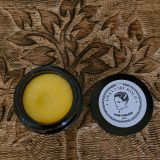 Hair PomadeA soft hold pomade made from shea, hemp seed and avocado oils.
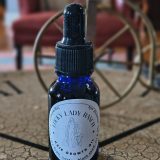 Hair OilSacha inchi, black seed, rice bran, argan and castor for hair and scalp.
Questions people ask
Is petroleum in hair pomade bad for you?
Highly refined petrolatum is considered safe for cosmetic use. People avoid it because it is hard to wash out, can feel heavy, and because they prefer plant based ingredients.
What is a natural alternative to hair gel?
Shea butter pomades, beeswax or candelilla balms, and for curls, a flaxseed or aloe based product. They offer softer hold than a strong gel.
How do you wash out a natural pomade?
Apply shampoo to dry hair where the pomade sits, massage, then add water and lather. A second wash may help after heavy use.
Does natural pomade work on fine hair?
Yes, in very small amounts. Warm a tiny dab and apply to the ends or the top layer only, keeping it away from the roots.
Sources and further reading
- Cosmetic Ingredient Review (CIR), Final Report on the Safety Assessment of Petrolatum
- Cosmetic Ingredient Review (CIR), Safety Assessment of Vinylpyrrolidone Polymers as Used in Cosmetics
- Gavazzoni Dias MF, Hair cosmetics: an overview, International Journal of Trichology (2015)
- American Academy of Dermatology (AAD), Hairstyles that pull can cause hair loss
This guide is for general education and is not medical advice. If you have a skin condition, allergy, or are pregnant or nursing, talk with your doctor or a board certified dermatologist about the products that are right for you.