Silicone Free Hair Care: Buildup and How to Avoid It
Which silicones build up on hair, how to spot and clear that buildup, and how plant oils and balms can take over their jobs.
Key takeaways
- Silicones smooth and protect hair but some types, like dimethicone, can build up with mild shampoos.
- One thorough clarifying wash usually resets hair before switching to a gentle routine.
- Plant oils and butters can replace most silicone jobs, except reliable heat protection.
- Expect hair to feel different for three to four weeks while you adjust.
Silicone free hair care has become a big part of the chemical free beauty conversation, mostly because of one word: buildup. Silicones make hair feel slippery and look glossy almost instantly, but some of them cling to the hair shaft and layer up wash after wash. Over time that can leave hair limp, dull or hard to style. This guide explains which silicones tend to build up, how to tell if they are weighing you down, and how to move away from them without months of frizz.
What silicones do in hair products
Silicones are synthetic polymers built around silicon and oxygen. In hair care they form a thin, smooth film over each strand. That film reduces friction, which means easier combing, less frizz and more shine. Some silicones also help reduce the effect of heat from blow dryers and flat irons. These are real benefits, which is why silicones are so common in conditioners, serums and heat protectants.
They are generally considered low risk for skin by safety reviewers. People choose to avoid them for other reasons: the feel of buildup, a preference for plant based formulas, and environmental concerns about some cyclic silicones. The main site's guide to cyclic silicones D4, D5 and D6 covers the environmental side in depth.
Which silicones build up and which rinse out
Not all silicones behave the same way in the shower. A rough guide:
| Label name | Behavior | Buildup tendency |
|---|---|---|
| Dimethicone | Not water soluble; forms a durable film | Higher, especially with mild shampoos |
| Amodimethicone | Binds to damaged areas of hair | Moderate; tends to self limit but can layer |
| Cyclopentasiloxane, cyclomethicone | Volatile; mostly evaporates | Low on hair, but environmental concerns |
| PEG or PPG dimethicone, dimethicone copolyol | Water soluble | Low; rinses out with water and mild cleanser |
| Trimethylsilylamodimethicone, cetearyl methicone | Film forming | Moderate to higher |
A handy shortcut: ingredient names ending in "-cone," "-conol," "-silane" or "-siloxane" are usually silicones. Whether they build up depends on the type, how much is in the product, and how strong your shampoo is.
Signs your hair has silicone buildup
- Hair feels coated or slick even right after washing
- Waves or curls look stretched and limp
- Color or oil treatments do not seem to absorb
- Hair dries slowly and still feels heavy
- Your usual products suddenly stop working as well
These signs can also come from hard water minerals, heavy butters or leftover shampoo, so do not assume silicone is the only cause. Look at what is actually in your products.
How to remove silicone buildup
Water and a mild cleanser will not easily lift a dimethicone film. Most people use one thorough clarifying wash to reset, then switch to a gentler routine.
- Choose one clarifying wash. A clarifying shampoo, or a stronger cleanser used once, is the most reliable way to lift heavy silicones. This is the one time a stronger cleanser makes sense in a gentle routine.
- Wash twice. Lather, rinse, lather again, focusing on the lengths where buildup lives.
- Condition with a silicone free conditioner or oil. Your hair may feel rougher than usual immediately after. That is the real texture showing through.
- Switch your daily products. From here on, use a mild, sulfate free shampoo and silicone free leave-ins so the film does not return.
If you color your hair, ask your colorist before clarifying, since stronger cleansers can fade dye.
What replaces silicones
Plant oils and butters can do much of what silicones do, though they feel different. They soften and add shine, and some can reduce friction between strands. The key difference is that oils are absorbed or washed away more readily, so you may reapply more often but rarely face long term buildup.
| Silicone job | Plant based alternative | Tip |
|---|---|---|
| Frizz control | A few drops of a light oil such as argan or rice bran | Apply to damp ends, not the scalp |
| Shine | Jojoba or a light oil blend | Less is more; one or two drops for fine hair |
| Detangling | Conditioner plus a wide tooth comb | Detangle from the ends upward |
| Smooth, sleek finish | A small amount of shea based balm or pomade | Warm it between palms first |
| Heat protection | Lower heat and less time | Plant oils are not proven heat protectants; air dry when you can |
That last row deserves emphasis. Silicones genuinely help reduce heat damage. If you flat iron daily, going silicone free means rethinking heat, not just swapping a serum. Air dry part of the way, use the lowest effective setting, and give your hair heat free days.
For choosing an oil, our guide to natural hair oils by hair type goes into weight and absorption. For styling, see pomades and balms without petroleum.
Reading labels beyond the shampoo
Silicones turn up in more places than conditioner. Leave-in sprays, curl creams, heat protectants, dry shampoos, anti frizz serums and even some hair oils sold as "argan" or "coconut" can list a silicone first, with the plant oil far down the list. Check every product that stays on your hair, because leave-in products contribute the most to buildup. If a product lists a silicone near the top, it is doing most of the work.
The same habit helps elsewhere in your routine. Primers, foundations and many face creams also rely on dimethicone for their smooth feel. Our guide to chemical free makeup explains what to look for there.
The first month without silicones
Expect your hair to feel different. Many people say it feels "more like hair": a little grippier, sometimes frizzier, often bouncier. Fine hair may gain volume. Curly hair often shows more definition once the weight is gone. Very damaged or bleached hair may feel rougher at first, because silicones were smoothing over damage that is still there. Trimming the most damaged ends can help.
Give it three to four weeks, adjusting oil amounts as you go. Our chemical free hair care routine lays out a simple wash day that works well during this transition.
Simple products, less to wash away
At Lucky Lady Ranch, our Hair Oil blends sacha inchi, black seed, rice bran, argan and castor oils, and our Hair Pomade relies on shea and plant oils for shape and shine. Neither contains silicones. We like products that do their job and then wash away cleanly, leaving nothing behind to manage. If you are reviewing the rest of your routine with the same eye, clean beauty on a budget shows how to prioritize swaps.
From the ranch
Made in small batches, without the ingredients discussed above.
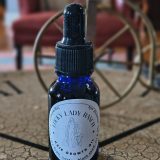 Hair OilSacha inchi, black seed, rice bran, argan and castor for hair and scalp.
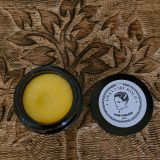 Hair PomadeA soft hold pomade made from shea, hemp seed and avocado oils.
Questions people ask
Are silicones bad for your hair?
Not in a harmful sense. Silicones are considered safe for cosmetic use and can reduce frizz and heat damage. Many people avoid them because some types build up and make hair limp, or because they prefer plant based products.
How do I know if my shampoo has silicones?
Look for ingredients ending in -cone, -conol, -silane or -siloxane, such as dimethicone, amodimethicone or cyclopentasiloxane.
Will sulfate free shampoo remove silicones?
Mild shampoos remove water soluble silicones easily but may not fully remove dimethicone. One clarifying wash, then silicone free products, avoids the problem.
Why does my hair feel worse after going silicone free?
Silicones can mask dryness and damage. Once they are gone, the hair's real texture shows. Plant oils on damp ends and less heat styling usually help within a few weeks.
Sources and further reading
- Cosmetic Ingredient Review (CIR), Safety Assessment of Dimethicone, Methicone, and Substituted Methicone Polymers
- European Chemicals Agency (ECHA), Restriction of D4, D5 and D6 siloxanes
- Gavazzoni Dias MF, Hair cosmetics: an overview, International Journal of Trichology (2015)
- American Academy of Dermatology (AAD), How to stop damaging your hair
This guide is for general education and is not medical advice. If you have a skin condition, allergy, or are pregnant or nursing, talk with your doctor or a board certified dermatologist about the products that are right for you.