Natural Skincare for Oily and Combination Skin
Oily skin does not need harsh stripping. A gentle, natural routine with the right light oils and a little clay often keeps shine calmer.

Key takeaways
- Harsh, stripping cleansers can leave oily skin feeling tight and do not stop shine for long.
- Light oils such as jojoba and linoleic rich oils often suit oily skin, used one or two drops at a time.
- Combination skin does well with zone care: lighter care on the T zone and more moisture on the cheeks.
- Clay masks once or twice a week can help skin look less shiny, and sun protection is still essential.
If your face is shiny by lunchtime, it is tempting to scrub hard and skip moisture. Yet natural skincare for oily skin usually works best when it does the opposite: cleans gently, adds a little of the right kind of moisture, and leaves the skin's own oil balance alone as much as possible. The same approach suits combination skin, where an oily T zone sits next to normal or dry cheeks.
This guide shows how to build a calm, chemical free beauty routine for both.
Why oily skin happens
Sebum is made by sebaceous glands, which are most concentrated on the forehead, nose and chin. How much oil you produce depends largely on genetics, hormones, age and climate. Teenagers and people in hot, humid places often see more shine, and many people notice changes around their cycle. Skincare cannot change your genetics, but it can avoid making things feel worse.
A common pattern looks like this: a strong foaming cleanser strips the surface, skin feels tight and uncomfortable, then a heavy, often mattifying or alcohol heavy product goes on top. The cycle repeats and the skin never feels settled. Breaking that cycle is the first goal.
Cleansing: gentle, not squeaky
"Squeaky clean" feels satisfying, but it usually means the cleanser removed more than grime. For oily skin:
- Wash twice a day at most, and after heavy sweating.
- Use lukewarm water, not hot.
- Choose a mild cleanser without harsh sulfates or synthetic fragrance. A cold process facial bar, used briefly, is a simple option.
- At night, try the oil cleansing method with a light base oil and more castor oil, followed by a short gentle wash.
Avoid rough scrubs with sharp particles. They can irritate skin and make it look redder, which draws more attention to shine and texture, not less.
Yes, oily skin can use oil
It sounds backward, but many people with oily skin find a little plant oil helps their face feel more balanced. The key is choosing light oils and using very little.
| Oil | Why people with oily skin like it |
|---|---|
| Jojoba | A liquid wax that resembles some components of sebum; light and stable |
| Grapeseed | Very light and high in linoleic acid |
| Rosehip seed | Absorbs quickly with a fairly dry finish |
| Prickly pear seed | Silky, light and high in linoleic acid |
Some small studies suggest acne prone skin may have relatively low linoleic acid in its sebum, which is one reason linoleic rich oils are popular for this skin type. The research is limited, so treat it as a helpful clue rather than a promise. Our guide on how to choose a facial oil covers textures in more detail.
How much? One or two drops pressed onto damp skin, mostly on the cheeks and outer face. Many people skip their nose and forehead entirely in the morning.
Combination skin: care by zone
Combination skin is not one skin type. It is two, sharing a face. Treat it that way:
- T zone (forehead, nose, chin): Water rinse or gentle wash, little or no oil, clay mask once a week.
- Cheeks and jaw: A drop or two of oil, and a thin layer of balm in dry winter weather if needed.
Using one product all over often leaves the T zone shiny and the cheeks tight. Spending ten extra seconds on zones makes a noticeable difference.
Clay masks
Natural clays, especially bentonite and kaolin, absorb oil from the skin's surface. A clay mask once or twice a week can help oily areas look more matte for a while.
- Mix a teaspoon of clay with water or a floral water to a smooth paste. Use a nonmetal bowl and spoon if you like the tradition, though it matters less than people say.
- Apply a thin layer to the T zone or other oily areas.
- Rinse off with warm water while the clay is still slightly damp. Letting it dry until it cracks can feel tight and uncomfortable.
- Follow with a drop of light oil.
Bentonite is more absorbent and kaolin is milder, so kaolin is a good start for sensitive or combination skin.
Sun protection without the grease
People with oily skin often skip sunscreen because many formulas feel heavy. Mineral sun products made with zinc oxide are a common choice for oily and breakout prone skin, and many people find zinc gives a slightly matte finish. Apply a thin, even layer after your oil has fully absorbed, or skip oil in the morning on very hot days. For more on routine order, see the morning and night routine.
What to leave out
Several common ingredients can make oily skin feel worse or simply add irritation:
- High levels of denatured alcohol (often listed as alcohol denat.) high on the list, which can be drying
- Strong sulfate detergents in face washes
- Synthetic fragrance, a common cause of irritation
- Heavy petroleum based creams, which many oily skin types find too occlusive
Our full guide to face care ingredients to avoid explains why.
Shine is not the same as breakouts
Oily skin and acne often travel together, but they are not the same thing. Plenty of people have a shiny T zone and rarely get a spot, while others with fairly dry skin still break out. Shine is about how much sebum reaches the surface. Breakouts involve clogged pores, bacteria and inflammation too. A gentle natural routine can help oily skin feel more comfortable and look less shiny, but it is not an acne treatment. If spots are frequent, deep or leave marks, that is a conversation for a dermatologist.
Habits that help
- Blot instead of washing. Plain blotting papers lift midday shine without stripping your skin.
- Change pillowcases often, and clean your phone screen.
- Keep hands off your face and do not pick at spots.
- Keep hair oils and pomades off your forehead and hairline, or wash your hands well after styling. Our guide to petroleum free hair styling has more on this.
- Introduce one product at a time, after a patch test.
A sample routine
Morning: water rinse or quick wash with a gentle facial bar such as our Beauty Bar for the face, one drop of light oil on the cheeks, mineral sun protection.
Night: oil cleanse with a light, castor rich blend, short gentle wash, one or two drops of light oil.
Weekly: a kaolin or bentonite clay mask on the T zone.
Give any change three to four weeks. If you have persistent acne, painful cysts, or breakouts that leave marks, a dermatologist can help in ways skincare alone cannot.
From the ranch
Made in small batches, without the ingredients discussed above.
 Beauty BarA gentle facial bar with rosehip, prickly pear and vitamin E.
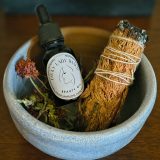 Beauty OilSeven plant oils for a soft, dewy, healthy looking face.
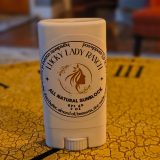 Mineral SunblockZinc oxide in a beeswax balm, without chemical UV filters.
Questions people ask
Should I use oil on oily skin?
Many people with oily skin do well with one or two drops of a light oil such as jojoba or grapeseed. Avoid heavy oils, use a small amount, and introduce it slowly to see how your skin responds.
How can I reduce oily skin naturally?
Cleanse gently twice a day at most, avoid harsh stripping products, use light oils sparingly, try a clay mask once or twice a week and blot midday shine. Genetics and hormones still play the biggest role.
Is a clay mask good for oily skin?
Clay such as bentonite or kaolin absorbs surface oil and can help skin look more matte for a while. Use it once or twice a week and rinse before it dries completely.
What is the best routine for combination skin?
Treat zones differently: keep the T zone light with little or no oil and an occasional clay mask, and give drier cheeks a few drops of oil. A gentle cleanser and daily sun protection suit both areas.
Sources and further reading
- American Academy of Dermatology (AAD), How to Control Oily Skin
- American Academy of Dermatology (AAD), Acne: Tips for Managing
- Downing DT et al., Essential fatty acids and acne, Journal of the American Academy of Dermatology (1986)
- Moosavi M, Bentonite clay as a natural remedy: a brief review, Iranian Journal of Public Health (2017)
This guide is for general education and is not medical advice. If you have a skin condition, allergy, or are pregnant or nursing, talk with your doctor or a board certified dermatologist about the products that are right for you.