Natural Skincare for Mature Skin
Skin changes with age, and your routine can change with it. A gentle, natural approach to cleansing, moisture and sun care for mature skin.

Key takeaways
- Mature skin tends to make less oil and lose water more easily, so gentle cleansing and richer moisture matter more.
- Oils such as avocado, prickly pear, rosehip and argan, layered with a balm on dry areas, help skin feel soft and supple.
- Daily sun protection is the single most useful step for how skin looks over time.
- Plant based options like bakuchiol are popular retinol alternatives, but research is still limited; ask a dermatologist about prescription options.
The routine that worked at twenty five often stops working somewhere in your forties or fifties. Cleansers that once felt fresh start to feel tight. Moisturizers seem to disappear by noon. That is not a failure of your products. It is your skin changing, and natural skincare for mature skin is about adjusting with it, gently and without a shelf of harsh actives.
This is not about erasing age. It is about skin that feels comfortable, looks rested and is well protected.
How skin changes with age
A few changes explain most of what people notice:
- Less oil. Sebum production generally declines with age, so skin dries out more easily.
- A thinner, slower outer layer. Skin cell turnover slows, which can make the surface look duller and feel rougher.
- Collagen and elastin decline. Over time, and faster with sun exposure, skin becomes less firm and lines become more visible.
- Hormonal shifts. Around menopause, falling estrogen is linked with drier, thinner feeling skin for many women.
- More sensitivity. A drier barrier can make skin react more readily to fragrance and strong ingredients.
Sun exposure is the biggest outside factor in visible skin aging. That is why protection matters more than any oil or cream you add.
Gentle cleansing comes first
When oil production drops, stripping cleansers do more harm than good. A few changes help:
- Cleanse fully only once a day, at night. In the morning, a water rinse is usually enough.
- Use lukewarm water and pat dry; do not rub.
- Try the oil cleansing method with a rich base oil and only a little castor oil. Many people with mature skin find it leaves their face soft rather than tight.
- If you prefer a bar, choose a gentle one made for the face, like our Beauty Bar with rosehip and prickly pear seed oils, and keep washing brief.
Richer moisture: oils plus balm
Mature skin often does best with two layers: an oil that softens, and a balm that seals in moisture on the driest areas.
| Oil | Why it suits mature skin |
|---|---|
| Avocado | Rich and cushioning, high in oleic acid; helps very dry skin feel comfortable |
| Prickly pear seed | Silky and light, naturally rich in vitamin E |
| Rosehip seed | High in linoleic acid, often used to help skin look more even |
| Argan | Medium weight, well tolerated, a classic for dry skin |
| Jojoba | Stable base that blends well with richer oils |
You can read a deeper profile of one favorite in our main site guide to prickly pear seed oil. For choosing a texture, see how to choose a facial oil.
How to layer: after cleansing, mist or splash with water, press in three to five drops of oil, then, at night or in winter, warm a tiny amount of shea and beeswax balm between your fingertips and press it over dry cheeks, around the mouth and on the neck. The balm slows water loss through the night.
Do not forget the neck, chest and hands
The skin on your neck, chest and the backs of your hands gets as much sun as your face, but often less care. Extend your oil and sun protection down to your collarbone and over your hands every day. Our natural nail and cuticle care guide covers hands in more detail.
Sun protection: the step that matters most
Dermatologists consistently point to daily sun protection as the most effective way to help skin look healthier over the years. Mineral sun products with zinc oxide are often well tolerated by sensitive, mature skin. Apply generously as the last skincare step in the morning, and reapply when you spend time outdoors. A wide brimmed hat and shade help too.
Retinol and gentler alternatives
Retinoids, especially prescription tretinoin, are among the most studied ingredients for the visible signs of aging. They can also be irritating, and many people choose to skip them. If you are curious about them, a dermatologist can help you decide whether they fit your skin.
For a plant based option, bakuchiol, an extract from the babchi plant, has become popular. A small number of studies suggest it may offer some similar visible benefits with less irritation, but the research is limited and still developing. Rosehip seed oil is also often mentioned in this context. Treat these as gentle supports rather than replacements for proven treatments, and remember that consistent moisture and sun care do a great deal on their own.
Ingredients worth skipping
A drier, more reactive barrier makes some ingredients less welcome:
- Synthetic fragrance, a common source of irritation for sensitive skin
- High levels of drying alcohol in toners and serums
- Harsh sulfate cleansers
- Strong exfoliating acids used daily, which can leave thin skin raw
Our guide to face care ingredients to avoid has the full list. Whatever you add, patch test first, since mature skin can react to things it once tolerated.
Lips, eyes and makeup
Lips thin and dry with age, so keep a beeswax lip balm close. Around the eyes, a single drop of oil pressed gently with your ring finger is plenty. When it comes to makeup, many people find lighter, creamier textures more flattering than heavy powders, which can settle into lines. Our mineral makeup guide covers how to use powders lightly.
A sample routine
Morning: water rinse, three drops of a rich face oil on damp skin, mineral sun protection on face, neck and hands, lip balm.
Night: oil cleanse with a warm cloth, four or five drops of oil, a thin layer of balm on dry areas, lip balm.
Weekly: a very gentle exfoliation, such as a soft cloth with your cleansing oil, rather than harsh scrubs.
Comfort first
It also helps to adjust expectations. Skincare can help mature skin feel softer, look more even and stay comfortable, but no oil or cream reverses aging, whatever a label suggests. Products that promise dramatic lifting or wrinkle erasing are usually overselling. A calm routine you enjoy and keep up will serve you better than chasing the newest promise.
Mature skin rewards patience and gentleness. Fewer, richer products, applied consistently, often do more than an ambitious routine that leaves your face irritated. If you notice new spots, changing moles or persistent dryness and itching, see a dermatologist. Otherwise, keep it simple, protect it from the sun, and let your skin feel like yours.
From the ranch
Made in small batches, without the ingredients discussed above.
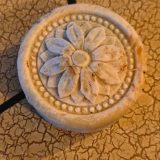 Beauty BarA gentle facial bar with rosehip, prickly pear and vitamin E.
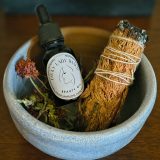 Beauty OilSeven plant oils for a soft, dewy, healthy looking face.
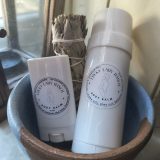 Body BalmUnrefined shea and organic beeswax for hard working skin.
Questions people ask
What is the best natural oil for mature skin?
Avocado, prickly pear seed, rosehip seed and argan oils are all popular. Many people prefer a blend that combines a rich oil with a lighter one so it softens without feeling greasy. The best choice is the one your skin tolerates well.
Is bakuchiol a good natural alternative to retinol?
Some small studies suggest bakuchiol may offer similar visible benefits with less irritation, but the research is limited. It is a reasonable gentle option. For proven prescription retinoids, talk with a dermatologist.
Why is my skin so dry after menopause?
Falling estrogen is linked with reduced oil production and a drier, thinner feeling skin. Gentler cleansing, richer oils, a balm at night and a humidifier often help. Persistent itching or rash is worth discussing with a doctor.
Do I still need sunscreen if I am older?
Yes. Daily sun protection remains one of the most useful things you can do for skin at any age. Mineral options with zinc oxide are often well tolerated by mature and sensitive skin.
Sources and further reading
- American Academy of Dermatology (AAD), Anti-Aging Skin Care Tips
- American Academy of Dermatology (AAD), Caring for Your Skin in Menopause
- Dhaliwal S et al., Prospective, randomized, double-blind assessment of topical bakuchiol and retinol for facial photoageing, British Journal of Dermatology (2019)
- National Institute on Aging (NIA), Skin Care and Aging
This guide is for general education and is not medical advice. If you have a skin condition, allergy, or are pregnant or nursing, talk with your doctor or a board certified dermatologist about the products that are right for you.