Plant Oils for a Healthy Looking Glow
That soft, healthy looking glow is mostly well moisturized, well protected skin. Here is how plant oils help and which ones people reach for.

Key takeaways
- A healthy looking glow comes mostly from a smooth, well moisturized surface that reflects light evenly.
- Light oils like rosehip, prickly pear and jojoba give glow without heavy shine; richer oils suit dry skin.
- A simple blend of a stable base oil and one or two specialty oils is easy to make and use.
- Sleep, sun protection and gentle cleansing affect glow as much as any product.
"Glow" is one of the most searched words in beauty, and for good reason. It describes skin that looks rested, soft and alive. The good news is that a healthy looking glow is not mysterious. It mostly comes from a smooth, well moisturized surface that reflects light evenly. That is exactly where plant oils for glowing skin shine, quite literally, as part of a simple chemical free beauty routine.
What "glow" really is
When the outer layer of skin is dry, its surface becomes uneven at a microscopic level. Light scatters instead of reflecting, and skin looks flat or dull. When that layer is soft and well hydrated, light bounces back more evenly, and skin looks radiant. Oils help in two ways: they soften the surface directly, and they slow the loss of water from the skin.
There is also a difference between glow and grease. Glow is a soft sheen on the high points of the face. Grease is shine everywhere, often from too much product. The right oil, in the right amount, gives you the first without the second.
Eight oils people reach for
| Oil | Texture | Why people use it for glow |
|---|---|---|
| Rosehip seed | Light, dry finish | Rich in linoleic acid; popular for helping skin look more even |
| Prickly pear seed | Light, silky | Naturally high in vitamin E, gives a soft satin finish |
| Jojoba | Light to medium | Stable and balancing, a reliable base for blends |
| Sweet almond | Medium | Smooth and softening, a gentle all rounder |
| Argan | Medium | Soft, satin glow on normal to dry skin |
| Avocado | Rich | Deep comfort for dry, tired looking skin |
| Sea buckthorn (fruit) | Rich, deep orange | Used in tiny amounts for its color and carotenoids; can tint skin |
| Squalane (plant derived) | Very light | A stable, refined oil similar to a component of sebum |
For more detail on rosehip, our main site has a full profile of rosehip seed oil for the face. For a broader guide to textures by skin type, see how to choose a facial oil.
Glow by skin type
- Oily or combination: Rosehip, prickly pear or squalane on the cheekbones only. Skip the T zone. More in natural skincare for oily skin.
- Dry: Blend a light oil with avocado or argan, and press it into damp skin.
- Mature: Richer blends and a balm at night; see natural skincare for mature skin.
- Sensitive: Keep to one or two unscented oils and patch test first.
How to blend your own
A simple blend is easy and often more pleasant than a single oil. A good pattern is one stable base and one or two specialty oils.
- Base, about 70 percent: jojoba or sweet almond.
- Specialty, about 30 percent: rosehip, prickly pear or argan, alone or combined.
- Optional: a few drops of vitamin E (tocopherol) to help slow oxidation.
Mix a small amount, about 30 milliliters, in a clean dark glass dropper bottle, and use it within a few months. If you want to add essential oils for scent, keep them very low and avoid them entirely around the eyes or on sensitive skin. Our main site guide to essential oil dilution covers safe amounts.
If you would rather not mix, our Beauty Oil is a ready made blend of jojoba, rosehip seed, prickly pear, avocado, sweet almond and castor oils with vitamin E.
Application tricks for more glow
- Damp skin first. A splash of water or a floral mist under the oil helps it spread thinly and look dewy instead of oily.
- Press, then pat. Press oil in with your palms, then lightly tap the cheekbones with your fingertips.
- Strategic highlight. After makeup, touch a tiny amount of oil to the tops of your cheekbones and brow bone for a natural sheen.
- Mix with foundation. A single drop of oil mixed into a bit of foundation or tinted product gives a sheerer, more luminous finish.
- Do not forget lips. Smooth, soft lips catch light too. A beeswax lip balm helps.
What matters more than any oil
Oils help the surface look its best, but glow also depends on habits:
- Sun protection. Sun damage leads to uneven tone and roughness over time. Daily mineral sun care protects whatever glow you build.
- Gentle cleansing. Harsh cleansers leave skin tight and dull. The oil cleansing method is a gentle option.
- Sleep and water. Tired skin looks tired. Rest and staying hydrated are basic but real.
- Light exfoliation, occasionally. A soft washcloth once or twice a week helps lift dull surface cells without harsh scrubs.
- Fewer products. Layering too many items can cause irritation that shows up as redness and dullness. See minimalist skincare.
Glow and makeup together
If you wear makeup, oil and foundation can work together or against each other. Heavy, matte, long wear foundations tend to hide whatever glow your skin has, while sheer tinted products let it show through. A few practical tips:
- Apply oil at least five to ten minutes before makeup so it can absorb. Makeup applied over wet oil tends to slide.
- Use powder only where you truly get shiny, usually the sides of the nose and the center of the forehead. Leave the cheekbones unpowdered.
- Choose cream blush over powder for a more natural, lit from within look on dry or mature skin.
- Remove everything at night. Makeup left on overnight is one of the quickest routes to dull, congested looking skin.
Our guide to chemical free makeup explains what to look for in tinted products and powders.
Signs your oil is not working for you
Not every oil suits every face. Watch for these signals over the first few weeks:
- Skin still looks shiny an hour after applying: use less, or switch to a lighter oil.
- New small bumps or clogged looking pores: stop, simplify, and try a different oil after your skin settles.
- Redness, itching or stinging: stop right away. This can be a sign of irritation or allergy, often to an essential oil or a nut oil in the blend.
- Skin still feels tight: add a drop, apply to damper skin, or add a balm at night.
Keeping oils fresh
Glow depends on fresh oil. Rancid oil can irritate skin and smells unpleasant. Linoleic rich oils such as rosehip are the most delicate, so buy small bottles, keep them cool and dark, and replace any oil that smells sharp or like old crayons.
A calm kind of radiance
The glow most people are after is not a filter. It is skin that feels comfortable, looks rested and is cared for with a few good ingredients. A couple of drops of the right plant oil, sun protection and a gentle routine will get you most of the way there.
From the ranch
Made in small batches, without the ingredients discussed above.
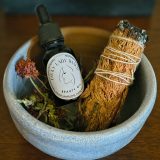 Beauty OilSeven plant oils for a soft, dewy, healthy looking face.
 Lip BalmLip Love: our beauty oil blend with shea, cocoa butter and beeswax.
Questions people ask
Which oil is best for glowing skin?
Rosehip seed, prickly pear seed and jojoba are popular because they give a soft sheen without heavy shine. Drier skin may prefer argan or avocado. The best choice depends on your skin type and how the oil feels.
Can I put oil on my face every day?
Yes. Most people use two to four drops once or twice a day. Oily skin may need only one drop, and dry skin may need a few more at night.
Does face oil make skin glow or just shiny?
Used in small amounts on damp skin, oil softens the surface so it reflects light evenly, which looks like a glow. Too much oil looks shiny or greasy, so start small.
How do I make my own facial oil blend?
Mix about 70 percent of a stable base like jojoba with about 30 percent of a specialty oil such as rosehip or prickly pear in a dark glass bottle. Add a little vitamin E, make small batches and use within a few months.
Sources and further reading
- Lin TK, Zhong L, Santiago JL, Anti-Inflammatory and Skin Barrier Repair Effects of Topical Application of Some Plant Oils, International Journal of Molecular Sciences (2018)
- American Academy of Dermatology (AAD), Dry Skin: Tips for Relief
- Vaughn AR et al., Natural Oils for Skin Barrier Repair: Ancient Compounds Now Backed by Modern Science, American Journal of Clinical Dermatology (2018)
This guide is for general education and is not medical advice. If you have a skin condition, allergy, or are pregnant or nursing, talk with your doctor or a board certified dermatologist about the products that are right for you.