Mineral Makeup: Benefits and Limits
An honest look at mineral makeup: what it is made of, where it shines, where it falls short, and how to read past the word mineral on the label.

Key takeaways
- Mineral makeup is built on ground minerals such as zinc oxide, titanium dioxide, iron oxides and mica, often with few other ingredients.
- Its strengths are short formulas, no need for strong preservatives in dry powders, and good tolerance for many sensitive skin types.
- Mineral is not a regulated term, so some products still contain talc, fragrance, bismuth oxychloride or synthetic additives.
- Mineral makeup should not replace sunscreen, because people apply far too little powder to get meaningful protection.
Mineral makeup is often the first stop for people moving toward chemical free beauty, and for good reason. It can be beautifully simple. It can also be misunderstood. Weighing mineral makeup pros and cons honestly will help you decide whether it fits your skin and your routine, and how to tell a genuinely simple product from one that just borrows the word.
What mineral makeup actually is
Mineral makeup uses finely milled minerals for color and coverage. The usual core ingredients are:
- Zinc oxide (CI 77947) and titanium dioxide (CI 77891), white minerals that provide coverage.
- Iron oxides (CI 77491, CI 77492, CI 77499), which give red, yellow and black tones that combine into skin shades.
- Mica (CI 77019), which adds slip and a soft glow.
- Sometimes ultramarines or chromium oxide greens for color correction and eyeshadows.
The classic form is a loose powder foundation with five or six ingredients. Today you will also find pressed mineral powders, mineral blushes, and liquid "mineral" foundations, which are a different thing entirely, as we will see.
The benefits
Short, readable formulas
A good loose mineral foundation may list only minerals. That makes it easy to evaluate and easy to rule out as the cause if your skin reacts to something.
Little need for strong preservatives
Microbes need water to grow. A dry, waterless powder is a poor home for them, so many loose mineral products contain no preservative at all. That removes one common source of irritation.
Friendly to many sensitive skins
Zinc oxide is widely used in products for sensitive and irritated skin, and many people with redness or reactive skin find mineral powders comfortable. Mineral formulas are also often free of fragrance and heavy oils. Everyone is different, so a patch test is still wise.
Buildable, natural finish
Applied in thin layers, mineral powder evens tone without looking heavy. You can go from sheer to medium coverage with the same jar.
The limits
"Mineral" is not a regulated word
There is no legal definition of mineral makeup. Some products sold as mineral contain talc as the main filler, synthetic fragrance, parabens, or a long list of silicones and film formers. Liquid mineral foundations, in particular, are usually water based emulsions with the same preservatives and emulsifiers as any other liquid foundation. Always read the full list. Our guide to makeup ingredients to avoid shows what to look for.
Bismuth oxychloride
This pearly ingredient gives some mineral powders their glow and adhesion. It is not considered toxic, but a fair number of people find it itchy or irritating, especially in warm weather. If your mineral foundation makes you itch, check for it first.
It is not your sunscreen
Zinc oxide and titanium dioxide are real UV filters, so it is tempting to rely on mineral foundation for sun protection. The trouble is quantity. Sun protection ratings are tested at a thick, even layer that is far more than anyone applies as makeup. A light dusting gives only a fraction of the labeled protection, and powder wears off unevenly. Use a dedicated sunscreen underneath. Our main site guide to zinc oxide as a mineral sun filter explains how it works, and our Mineral Sunblock pairs naturally with mineral makeup on top.
Inhaling loose powder
Very fine powders can be inhaled during application. IARC classifies titanium dioxide as possibly carcinogenic to humans (Group 2B) based on inhalation studies in animals at high doses; it is not considered a concern on skin. Pressing powder on rather than swirling it in the air keeps inhalation low.
Dryness and texture
Powder can settle into fine lines and look flat on dry or mature skin. Good skin prep and a light hand help a lot.
Ethical sourcing of mica
Some natural mica mining has been linked to child labor. Many brands now publish sourcing policies or use synthetic mica (synthetic fluorphlogopite).
Pros and cons at a glance
| Benefits | Limits |
|---|---|
| Short ingredient lists | "Mineral" is unregulated; formulas vary widely |
| Loose powders often need no preservative | Bismuth oxychloride can itch |
| Comfortable for many sensitive skin types | Not a substitute for sunscreen |
| Buildable, natural looking coverage | Can look dry on dry or mature skin |
| Usually talc and fragrance free | Loose powder can be inhaled if applied carelessly |
How to apply mineral powder well
- Prep first. Cleanse gently and apply a light moisturizer or two or three drops of facial oil. Let it absorb for five minutes so powder does not streak. Our Beauty Oil is light enough for this.
- Use very little. Tap a small amount into the lid, swirl a dense brush, then tap off the excess.
- Buff in circles, starting at the center of the face and working outward.
- Build in thin layers only where you want more coverage.
- Finish with a light mist of water or a clean fingertip press if the finish looks powdery.
If you have oily skin, skip the oil step and use a lighter moisturizer. Our guide to natural skincare for oily skin has ideas for balancing shine.
Keeping brushes and jars clean
Dry powders resist microbes, but your brush does not stay dry. It picks up oil, dead skin and bacteria from your face each morning, then goes back into the jar. Wash brushes weekly with a mild bar soap and lukewarm water, squeeze gently, and dry them flat or bristles down so water does not loosen the glue. Keep the jar lid closed and store it away from a steamy shower. These small habits keep a preservative free powder fresh for its full life, which is usually around two years once opened.
Is mineral makeup right for you?
If you want a short ingredient list, sensitive skin friendly coverage and a natural finish, a well chosen loose mineral powder is one of the simplest makeup choices there is. If you love dewy, long wear coverage, you may find it too matte. Many people land in the middle, using mineral powder for everyday and something else for occasions. Either way, it is a good example of the idea behind our chemical free makeup guide: fewer, simpler ingredients, chosen with care. You may also want to read about talc free makeup, since many mineral products are built specifically to avoid it.
From the ranch
Made in small batches, without the ingredients discussed above.
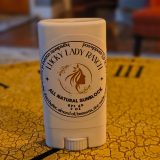 Mineral SunblockZinc oxide in a beeswax balm, without chemical UV filters.
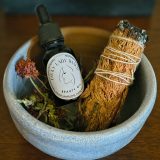 Beauty OilSeven plant oils for a soft, dewy, healthy looking face.
Questions people ask
Is mineral makeup better for your skin?
Often, for sensitive or reactive skin, because good mineral powders have very short ingredient lists and usually no fragrance or preservatives. Results vary, and some people react to bismuth oxychloride, so patch test first.
Can mineral makeup replace sunscreen?
No. Mineral powder contains UV filters, but people apply far less than the amount used in sun protection testing. Wear a dedicated sunscreen underneath and treat the makeup as a small bonus.
Does mineral makeup clog pores?
Pure mineral powders are generally considered unlikely to clog pores, since they contain no heavy oils. Products with added fillers, oils or waxes may behave differently.
Why does my mineral foundation itch?
The most common culprit is bismuth oxychloride, a pearly ingredient some people find irritating. Check the label and try a formula without it.
Is liquid mineral foundation as simple as powder?
Usually not. Liquid foundations contain water, so they need preservatives and emulsifiers, and many include silicones. Read the full ingredient list rather than relying on the word mineral.
Sources and further reading
- US Food and Drug Administration (FDA), Color Additives Permitted for Use in Cosmetics
- International Agency for Research on Cancer (IARC), Monographs Volume 93: Carbon Black, Titanium Dioxide, and Talc
- US Food and Drug Administration (FDA), Sunscreen: How to Help Protect Your Skin from the Sun
- American Academy of Dermatology, How to Select a Sunscreen
- Scientific Committee on Consumer Safety (SCCS), Opinion on Titanium Dioxide
This guide is for general education and is not medical advice. If you have a skin condition, allergy, or are pregnant or nursing, talk with your doctor or a board certified dermatologist about the products that are right for you.