Makeup Shelf Life: When to Toss It
How long each type of makeup lasts once opened, how to read the open jar symbol, the signs that a product has turned, and how to make simple makeup last.

Key takeaways
- Makeup shelf life depends mostly on water content and how often the product touches your skin or eyes.
- Mascara and liquid eyeliner have the shortest life, about three months, while dry powders can last a year or two.
- Look for the period after opening symbol, a small open jar with a number and M, which tells you how many months a product lasts once opened.
- Toss anything that changes smell, color or texture, separates permanently, or was used during an eye infection.
Most of us keep makeup far longer than we should. A favorite blush survives three moves, and a mascara lingers in the drawer for a year. Knowing your makeup shelf life is one of the simplest ways to protect your skin and eyes, and it costs nothing. Here is a practical guide to what lasts, what does not, and why.
Why makeup goes off
Two things happen to makeup over time:
- Microbial contamination. Every time a brush, finger or wand touches your face and then the product, it carries in bacteria and yeast. Products that contain water give those microbes a place to grow. Preservatives slow this down but do not stop it forever.
- Breakdown of ingredients. Oils oxidize and turn rancid, emulsions separate, pigments clump, and active ingredients lose strength. Heat, light and air speed this up.
That is why dry powders last longest and wet products near the eyes last shortest. It is also why simple makeup with fewer synthetic preservatives may have a somewhat shorter life once opened. That is not a flaw, just something to plan for, and it is a normal part of chemical free beauty.
How long each product lasts once opened
These are general guidelines. Always follow the maker's label when it gives one.
| Product | Typical life after opening | Why |
|---|---|---|
| Mascara | About 3 months | Wet, dark tube; the wand moves bacteria from lashes into the tube |
| Liquid eyeliner | About 3 months | Same reasons as mascara |
| Liquid or cream foundation | 6 to 12 months | Water based; touched by fingers and sponges |
| Cream blush and concealer | 6 to 12 months | Often applied with fingers |
| Lipstick and lip balm | About 1 to 2 years | Waxy and mostly waterless, but oils can turn rancid |
| Lip gloss | About 1 year | Wand applicator returns to the tube |
| Pencil liners | 1 to 2 years | Sharpening removes the used surface |
| Pressed or loose powders | About 2 years | Dry products resist microbial growth |
| Makeup sponges | Wash after each use, replace every few months | Damp, porous and hard to clean fully |
Mascara is the one to take most seriously. The FDA notes that some experts recommend replacing mascara three months after purchase, and it advises throwing out eye makeup used during an eye infection. Our guide to clean mascara for sensitive eyes explains why fresh tubes matter.
Reading the labels
The open jar symbol
Many products carry a small open jar icon with a number and the letter M, such as 6M or 12M. This is the period after opening (PAO) symbol, and it tells you how many months the product is expected to stay good once opened. It is required on many products sold in the EU and is common on products sold in the US as well.
Expiration dates and batch codes
In the United States, cosmetics are not generally required to show an expiration date. Some products, such as sunscreens regulated as drugs, do carry one. Most cosmetics carry a batch or lot code, which the maker can use to tell you the production date if you contact them.
Write the date on it
The simplest habit of all: when you open something new, write the month and year on the bottom with a fine marker. You will never have to guess again.
Signs a product has turned
- Smell. A sour, musty, crayon like or rancid odor is the clearest sign oils have oxidized or microbes are growing.
- Texture. Foundation that has separated and will not shake back together, lipstick with a white bloom that does not wipe off, mascara that is clumpy and dry.
- Color. Darkening, streaks or spots.
- Your skin. Stinging, itching or breakouts from a product that used to feel fine.
- Visible mold on a sponge, cream or the rim of a jar. Throw it out right away.
A small note: a harmless white film on some lipsticks, called bloom, is just wax rising to the surface and can be wiped off. If it returns quickly or smells off, replace the lipstick.
How to make makeup last its full life
- Store it cool and dry. The bathroom is the worst place for makeup because of heat and steam. A drawer in the bedroom is better.
- Close lids tightly to limit air and dust.
- Use clean tools. Wash brushes weekly and sponges after each use.
- Wash your hands before dipping into creams, or use a small clean spatula.
- Do not pump mascara wands or add water to dried out products.
- Never share eye or lip products.
- Buy smaller sizes. A small tube you finish is better value than a large one you throw away half full. Our guide to clean beauty on a budget has more ideas for spending less and wasting less.
Waterless products last longer
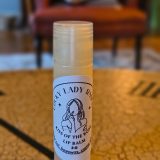
One reason many people enjoy simple, waterless formulas is that they need little or no preservation and keep well. Balms, oil blends and soap bars contain no water for microbes to grow in, so a well made balm can stay fresh for a year or more if kept away from heat. Our beeswax Lip Balm is a good example: oils, butters and beeswax with vitamin E, nothing that needs a strong preservative. Our main site guide to natural products and shelf life explains how to store clean body care in general.
A once a season makeup check
Pick a day each season and empty your makeup bag onto a towel. Check dates, smell everything, toss what has turned, and wash every brush. It takes 15 minutes, and it is also the right moment to replace an expired product with a simpler version. Our chemical free makeup guide helps you decide what to choose next, and our list of makeup ingredients to avoid keeps the swap easy. A small, fresh makeup bag is easier to manage than a large one full of mysteries, and that kind of quiet order is exactly what we aim for at Lucky Lady Ranch.
When you clear out old products, empty liquids into the trash rather than down the drain where you can, and check your local recycling rules for glass jars and metal compacts. Pressed powder pans and mascara tubes usually cannot be recycled curbside. Using what you have before buying more is the simplest way to cut waste, and it also means fewer products sitting around long enough to expire. If you are trimming your routine overall, our guide to minimalist skincare applies the same thinking to everything else on the shelf.
From the ranch
Made in small batches, without the ingredients discussed above.
Questions people ask
Does makeup really expire?
Yes. Over time preservatives weaken, oils oxidize and microbes can grow, especially in water based products. Most makeup has a recommended period after opening shown by a small open jar symbol with a number and M.
How long is mascara good for after opening?
Many experts recommend replacing mascara about three months after opening, and immediately after an eye infection. The wand carries bacteria from your lashes back into the tube each time you use it.
Can I use expired makeup?
It is not worth the risk for eye and lip products or anything that smells, looks or feels different. Old powders that look and smell normal are lower risk, but irritation or breakouts are a sign to replace them.
What does 12M mean on makeup?
It is the period after opening symbol. 12M means the product is expected to stay good for 12 months after you first open it.
Does natural makeup expire faster?
Water based natural makeup with milder preservatives may have a shorter life once opened. Waterless products such as balms, powders and oil blends often keep well because microbes need water to grow.
Sources and further reading
- US Food and Drug Administration (FDA), Shelf Life and Expiration Dating of Cosmetics
- US Food and Drug Administration (FDA), Eye Cosmetic Safety
- European Commission, Regulation (EC) No 1223/2009 on cosmetic products, Article 19 (labeling)
- American Academy of Dermatology, Makeup: How to Keep It From Harming Your Skin
- Modernization of Cosmetics Regulation Act of 2022 (MoCRA)
This guide is for general education and is not medical advice. If you have a skin condition, allergy, or are pregnant or nursing, talk with your doctor or a board certified dermatologist about the products that are right for you.